
 411986 · ★ 8.4Journey to the West
DoramasYT: Chinese dramas, from Journey to the West, Dream in Red Mansions and Three Kingdoms to The Imperial Age, Legend of Lu Zhen, Golden Marriage, The Imperial Doctress and Song of Life, and where to watch them
152 Chinese-language series, 1986 to 2026, with 8,020 episodes listed.
Most followed
See all (152) 952010 · ★ 8.0
 361987 · ★ 9.5
 132022 · ★ 8.1
 641994 · ★ 7.4
 392015 · ★ 4.9
 452022 · ★ 8.1
 302025 · ★ 7.9
Wuxia and fantasy
See all (41)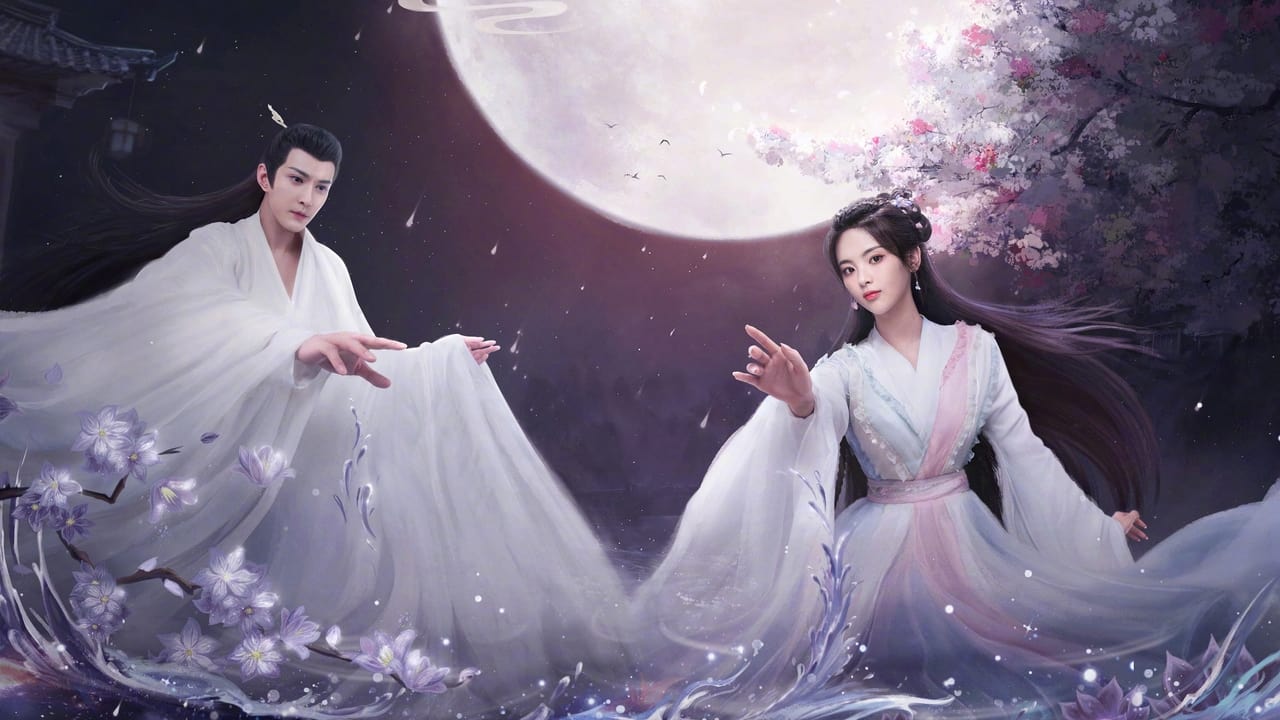 402023 · ★ 6.1
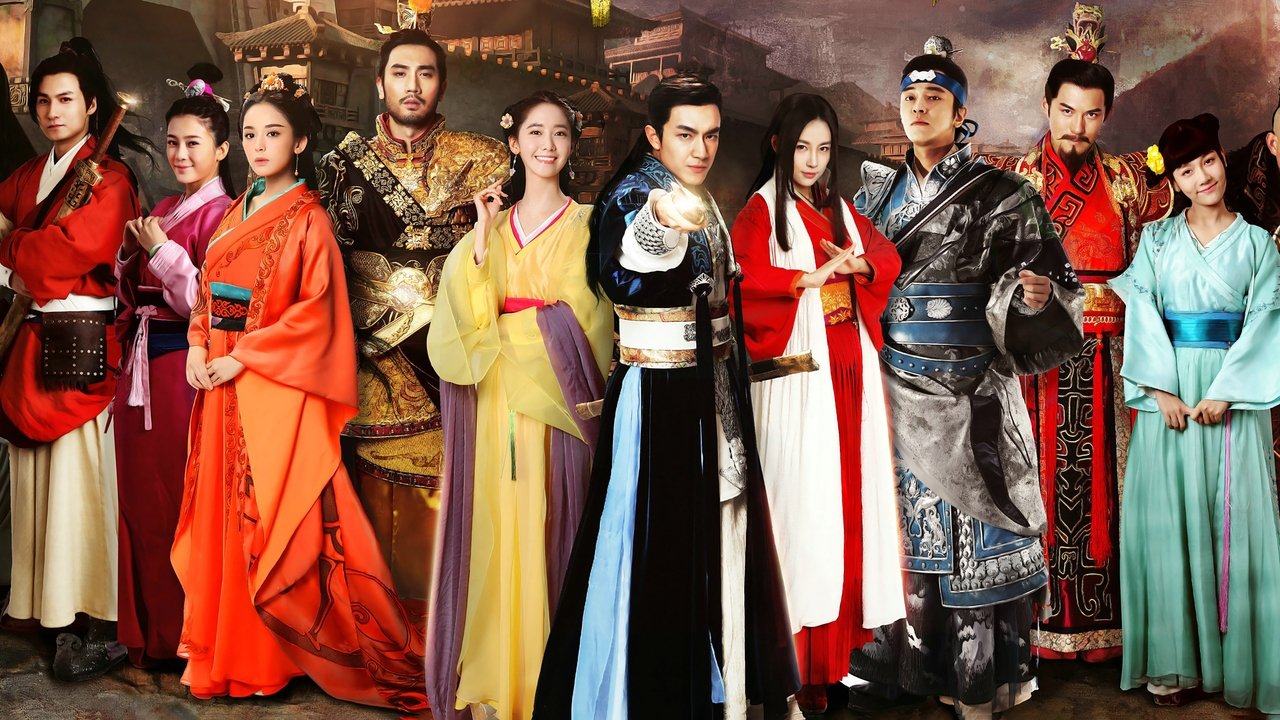 602016 · ★ 5.9
 361990 · ★ 7.8
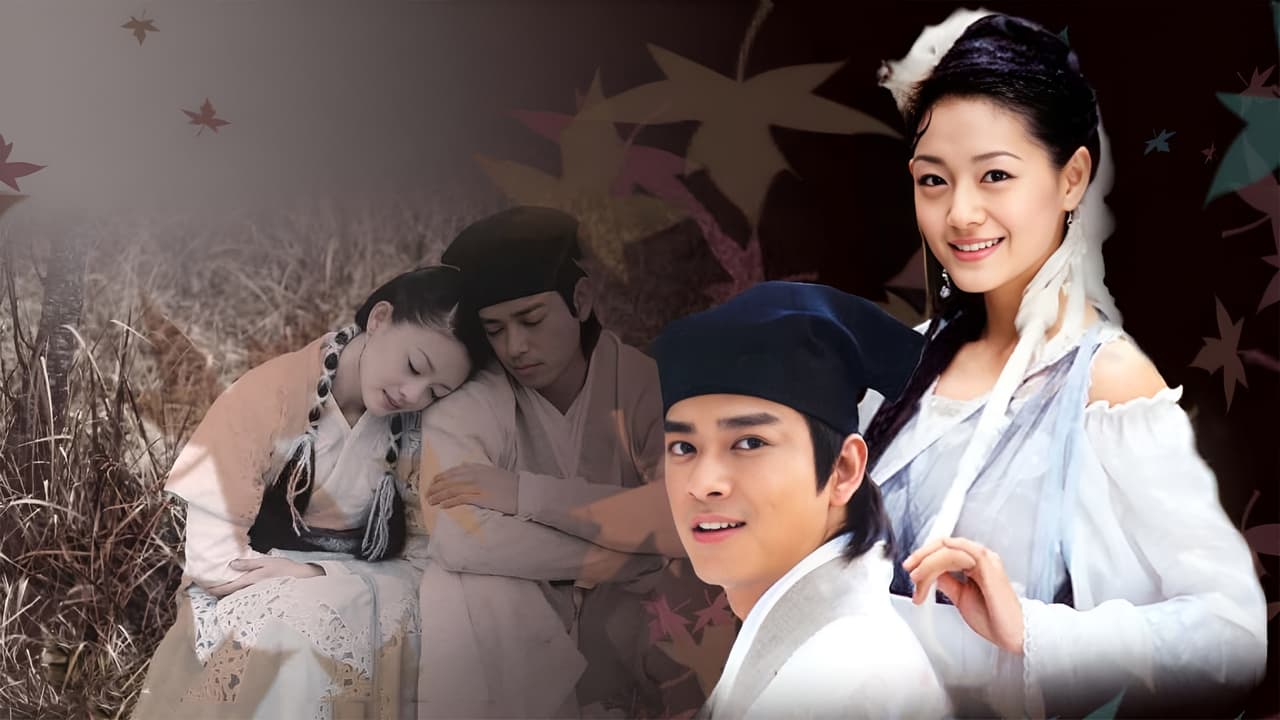 402003 · ★ 7.0
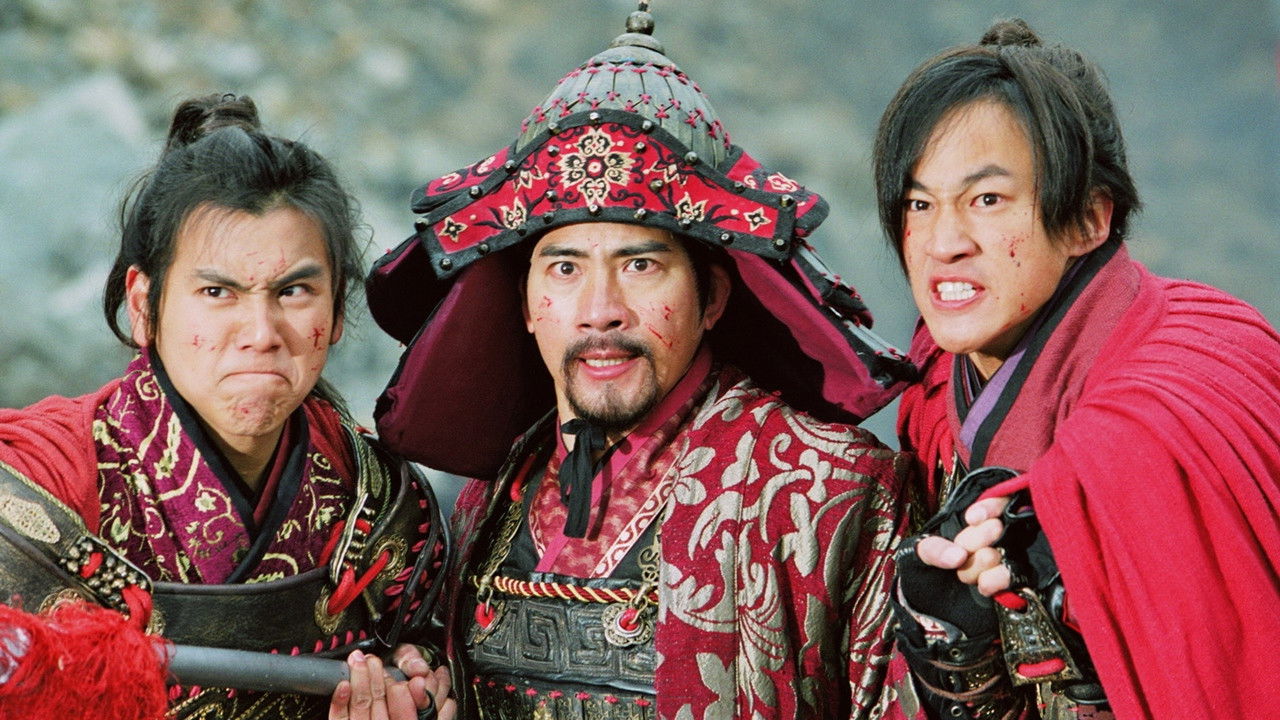 432006 · ★ 6.3
 362024 · ★ 6.2
 452017 · ★ 5.2
 222016 · ★ 6.6
Palace and period drama
See all (48)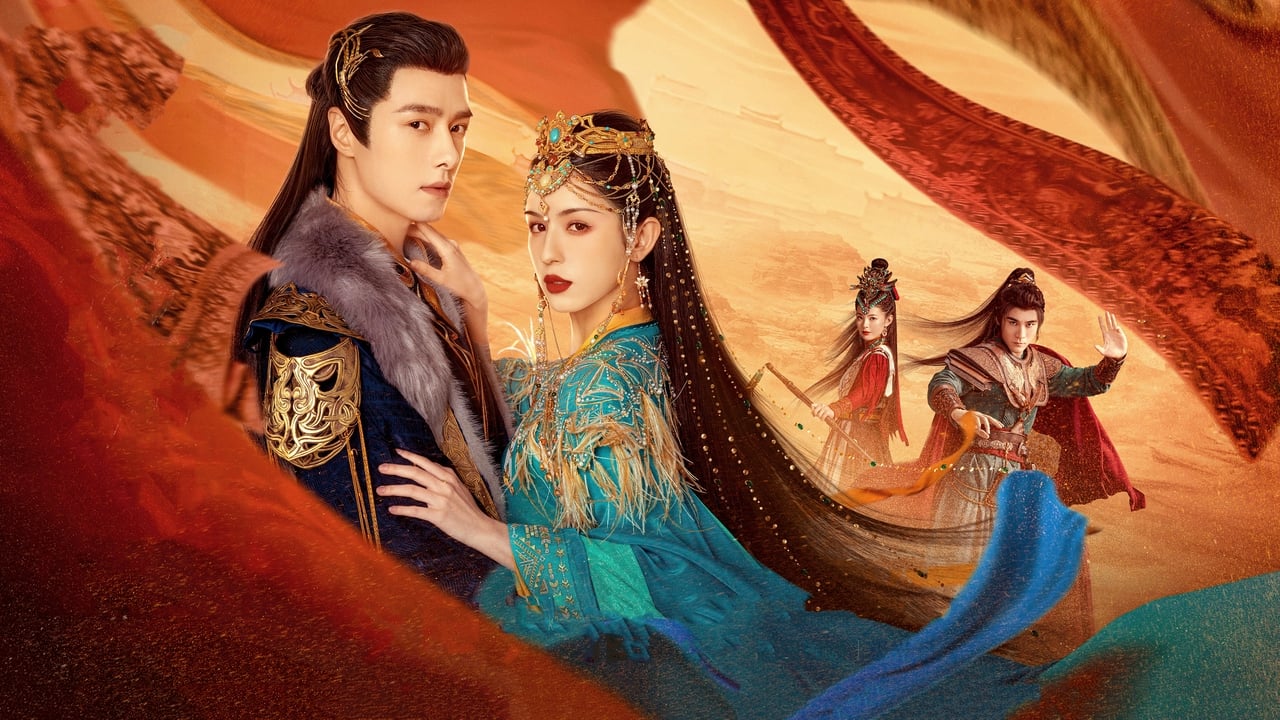 262024 · ★ 7.6
 362021 · ★ 6.4
 802021 · ★ 6.1
 362022 · ★ 6.3
 922017 · ★ 6.2
 282020 · ★ 6.2
 272023 · ★ 8.2
 62015 · ★ 8.2
Family sagas
See all (43)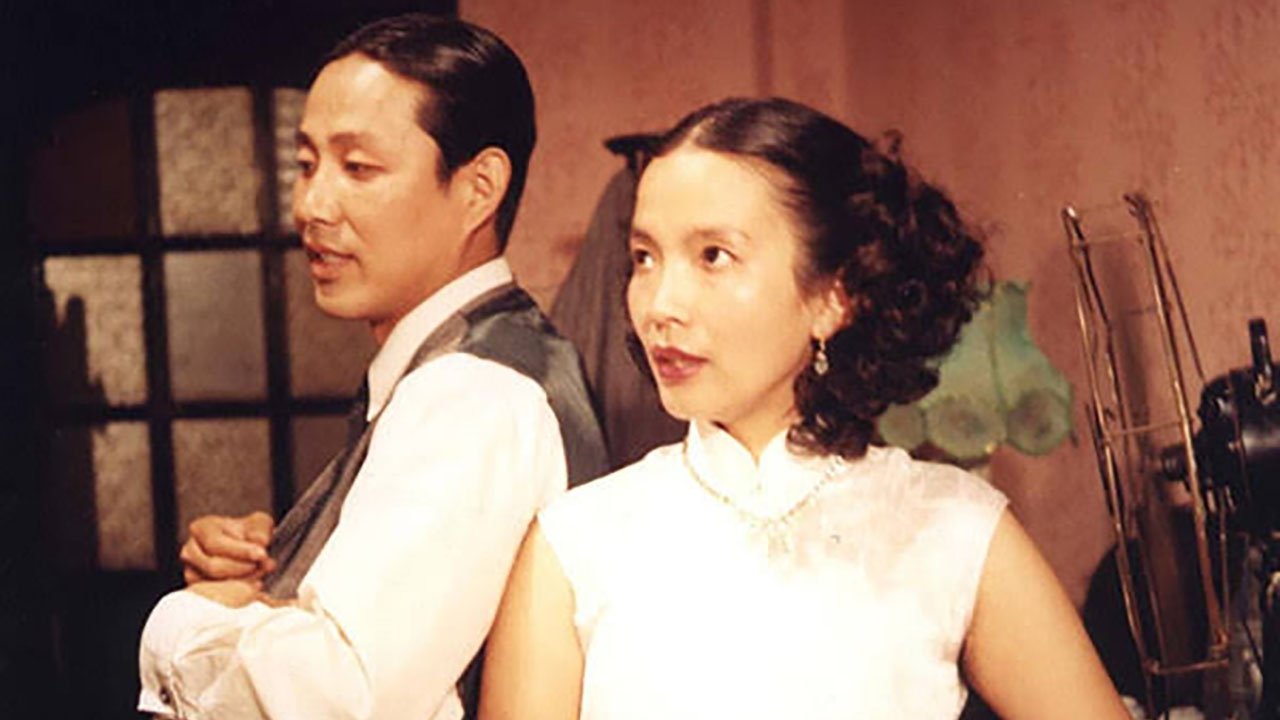 101990 · ★ 7.2
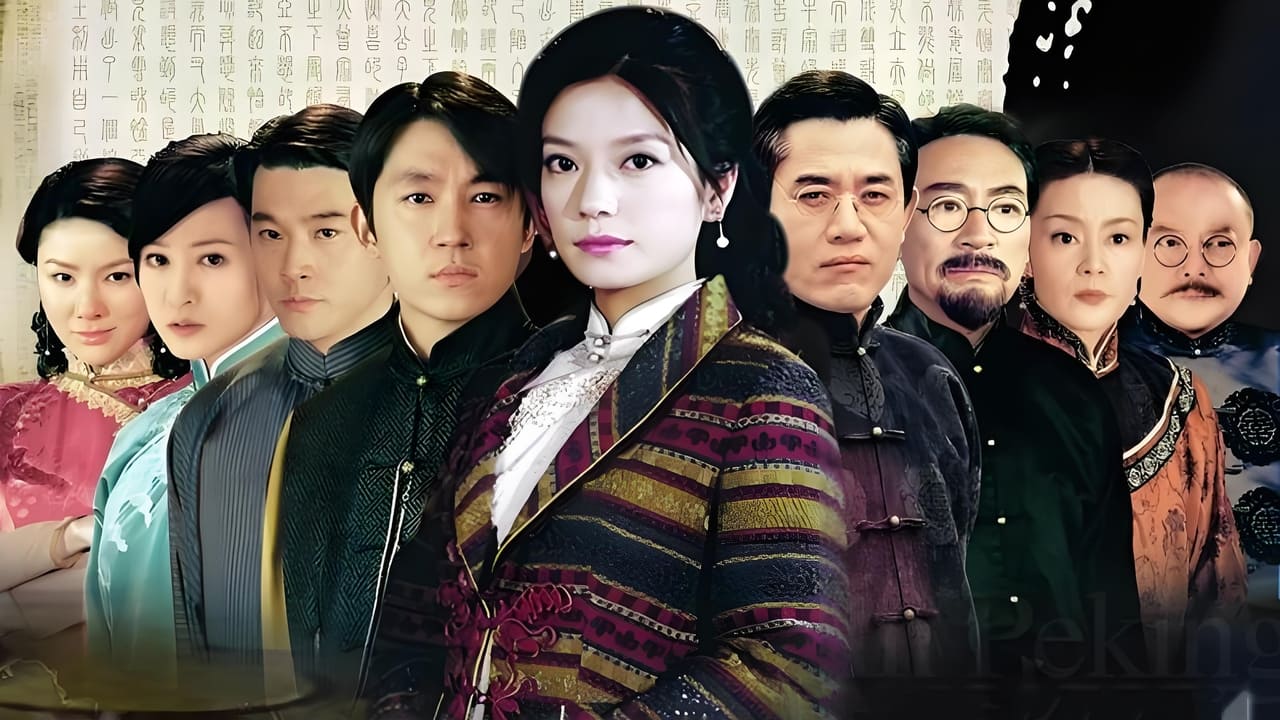 442005 · ★ 4.8
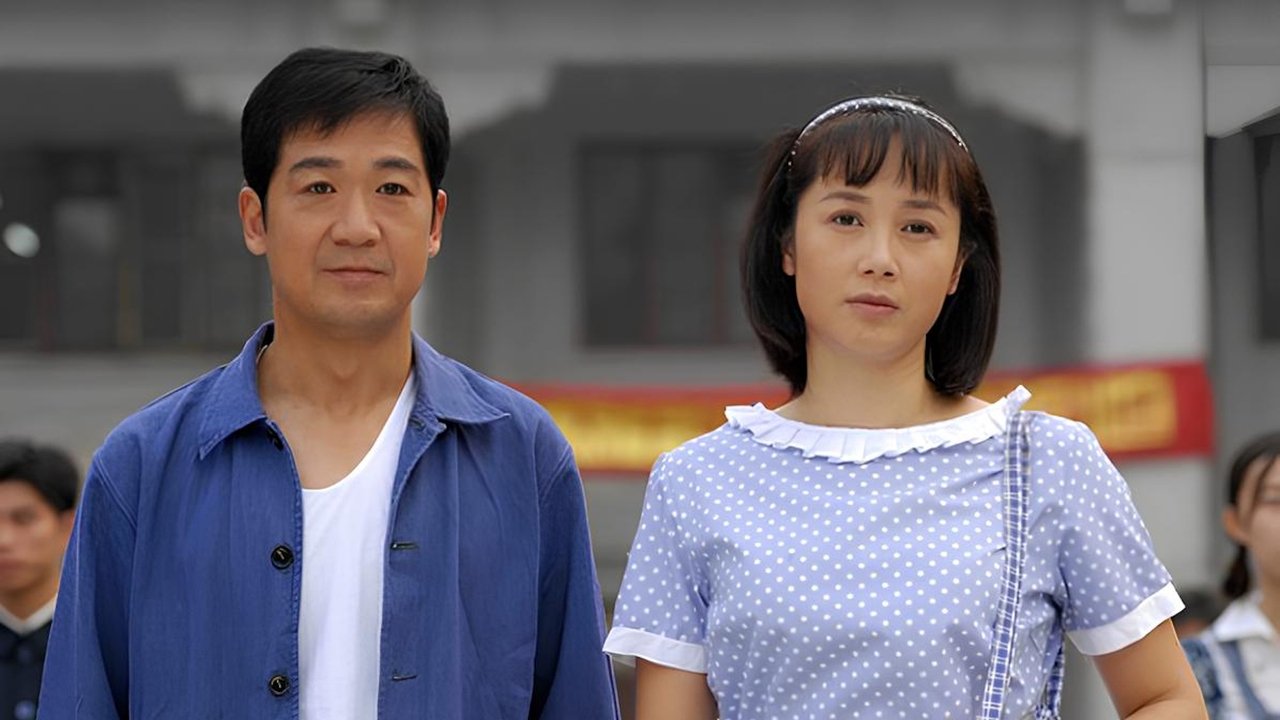 502007 · ★ 9.5
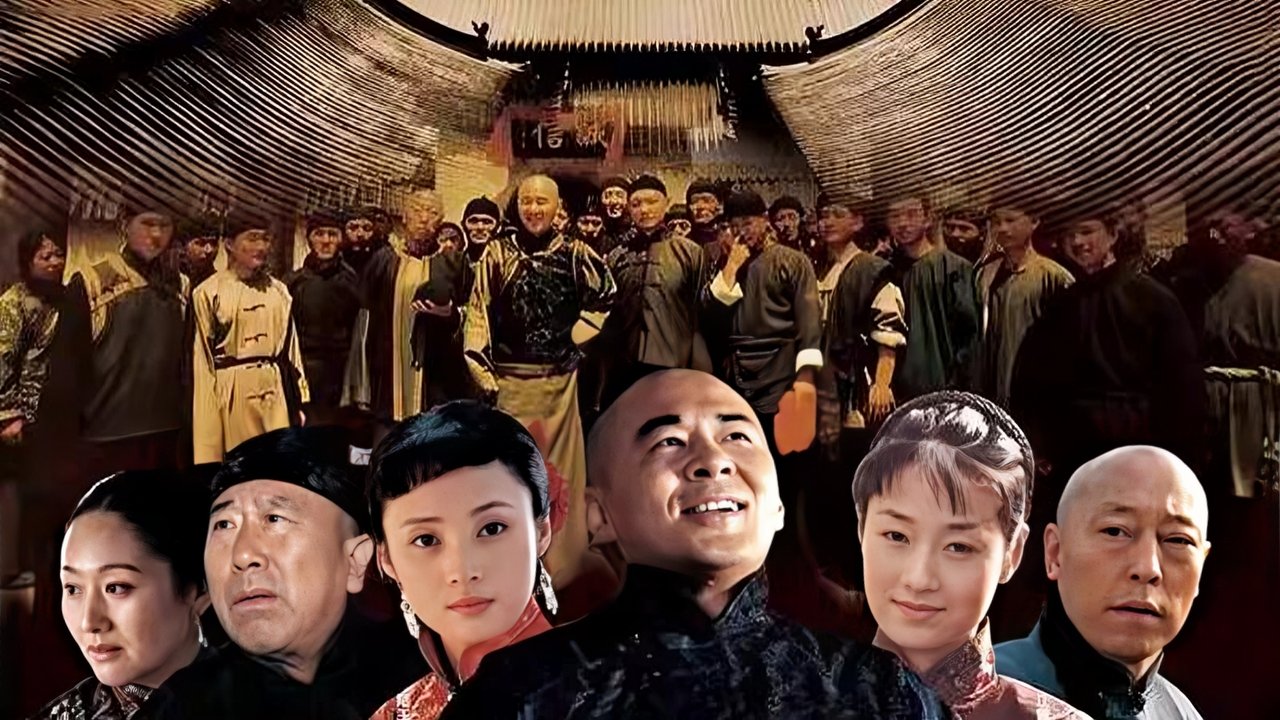 452006 · ★ 8.8
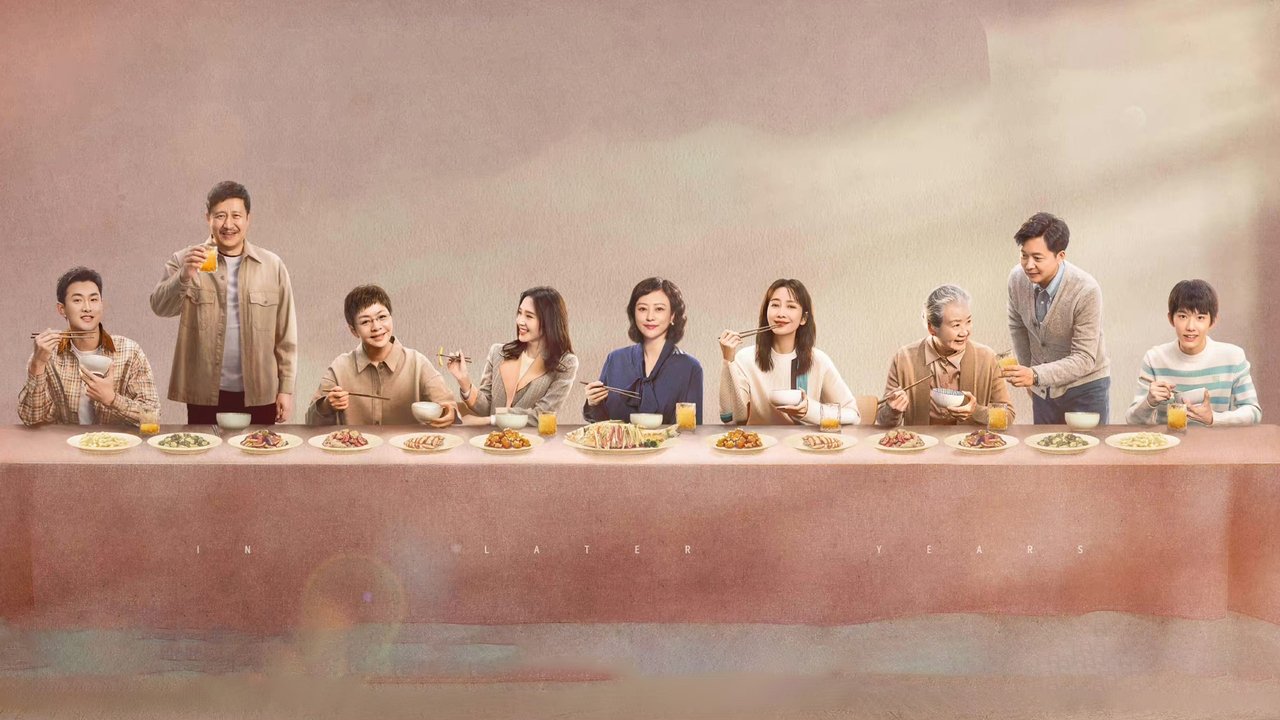 392023 · ★ 8.5
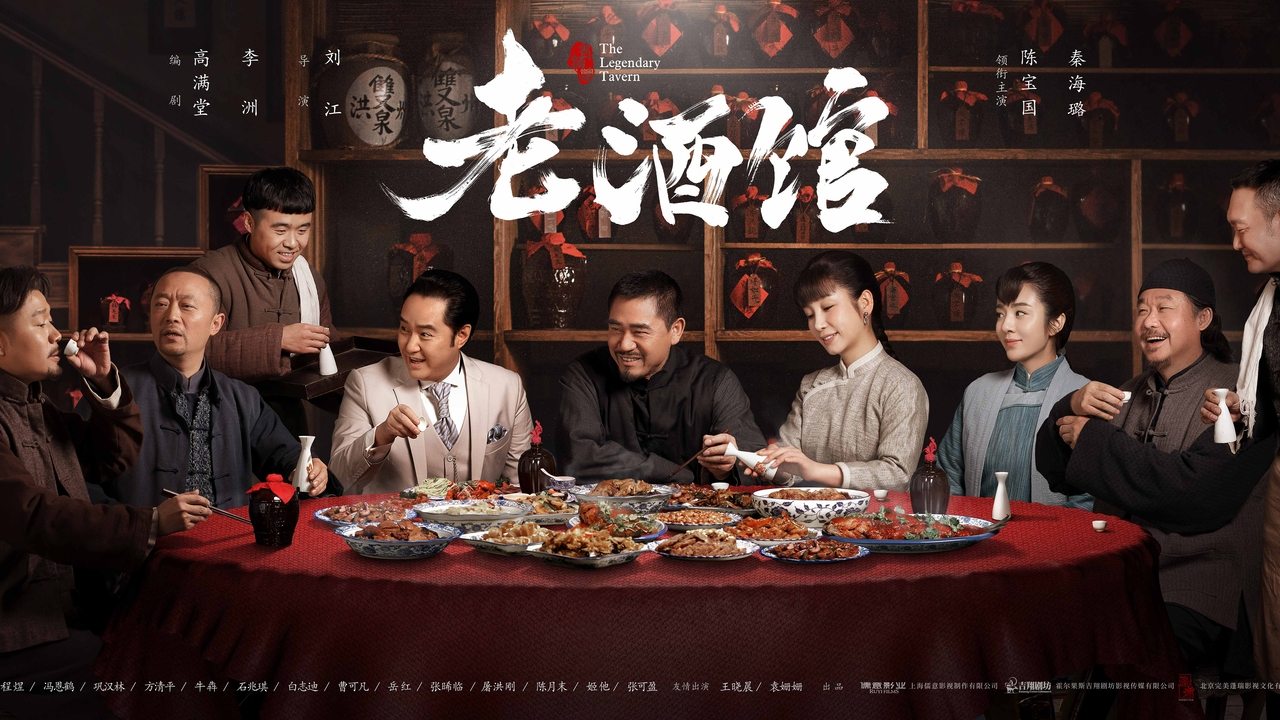 462019 · ★ 8.5
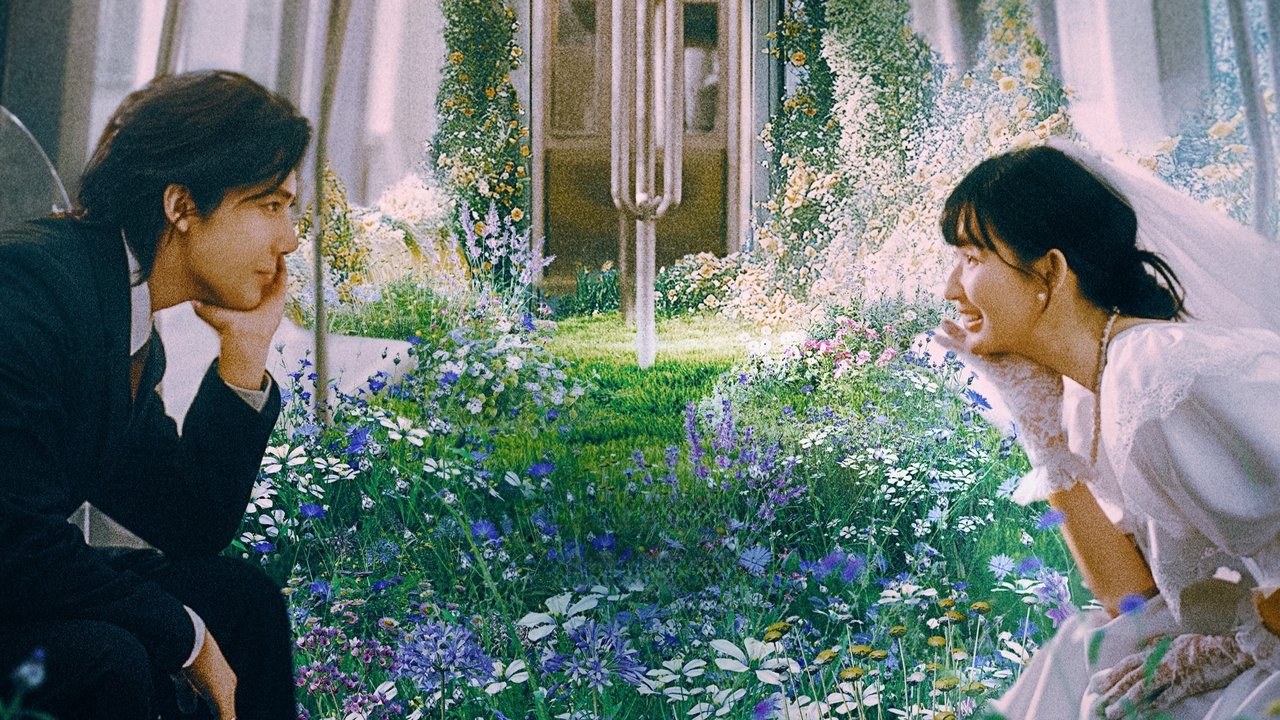 262025 · ★ 8.2
 242026 · ★ 8.2
Modern life
See all (20)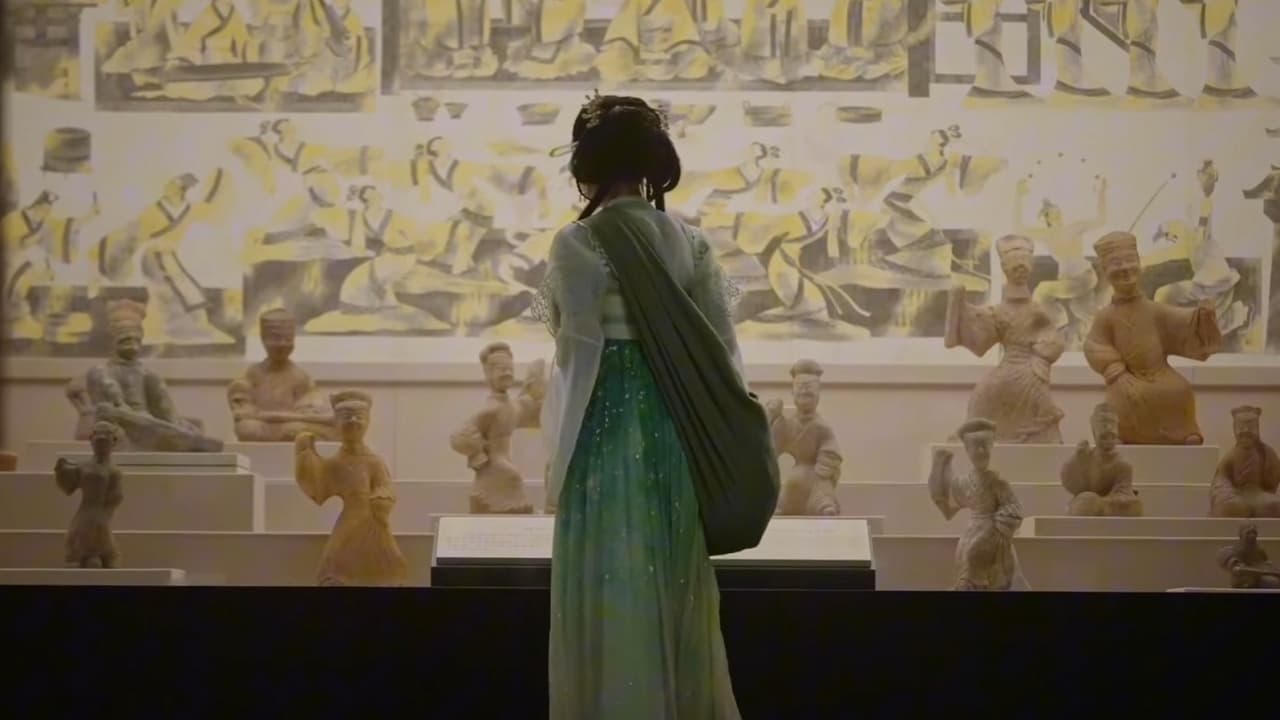 32023 · ★ 7.2
 302023 · ★ 7.8
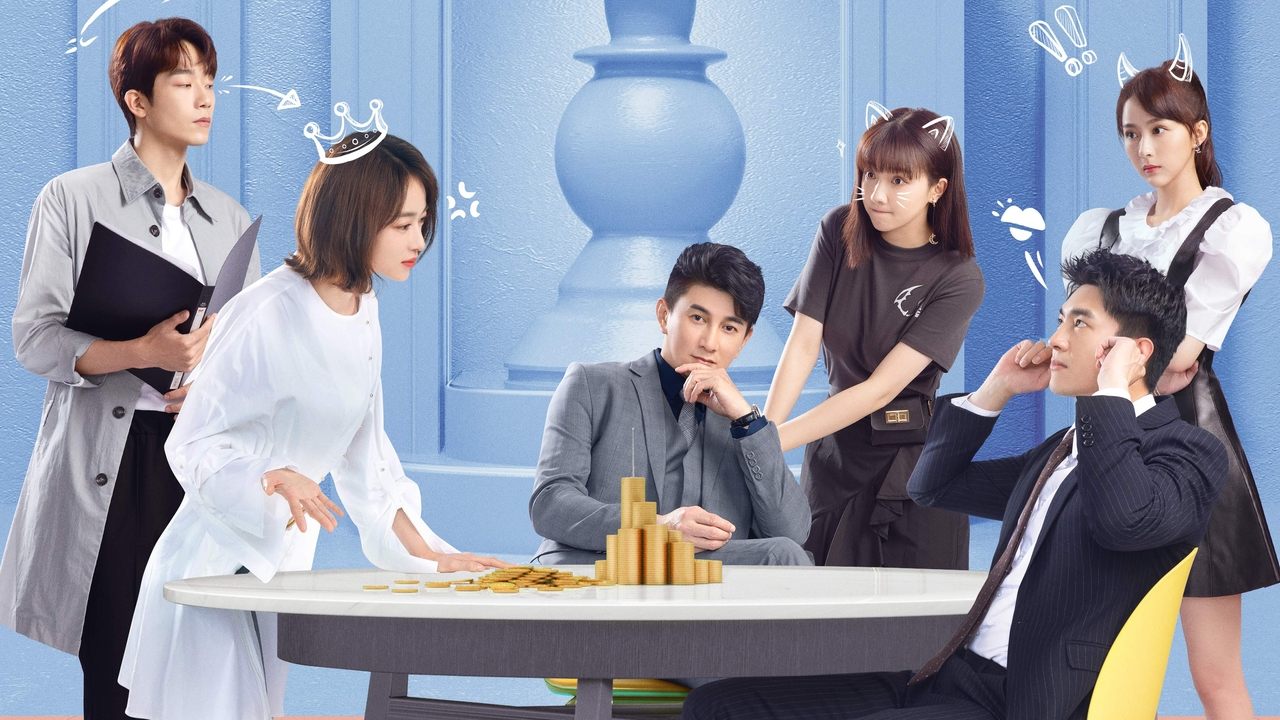 402021 · ★ 7.5
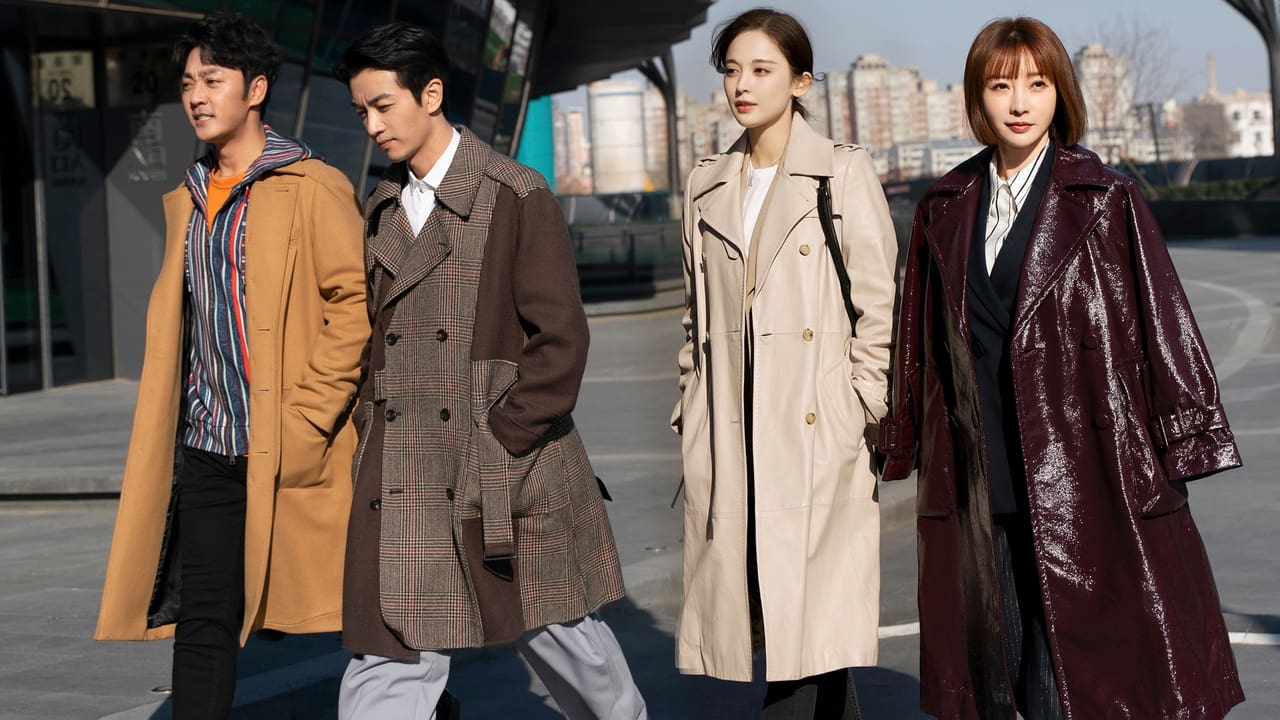 402023 · ★ 7.5
The classics
See all (23)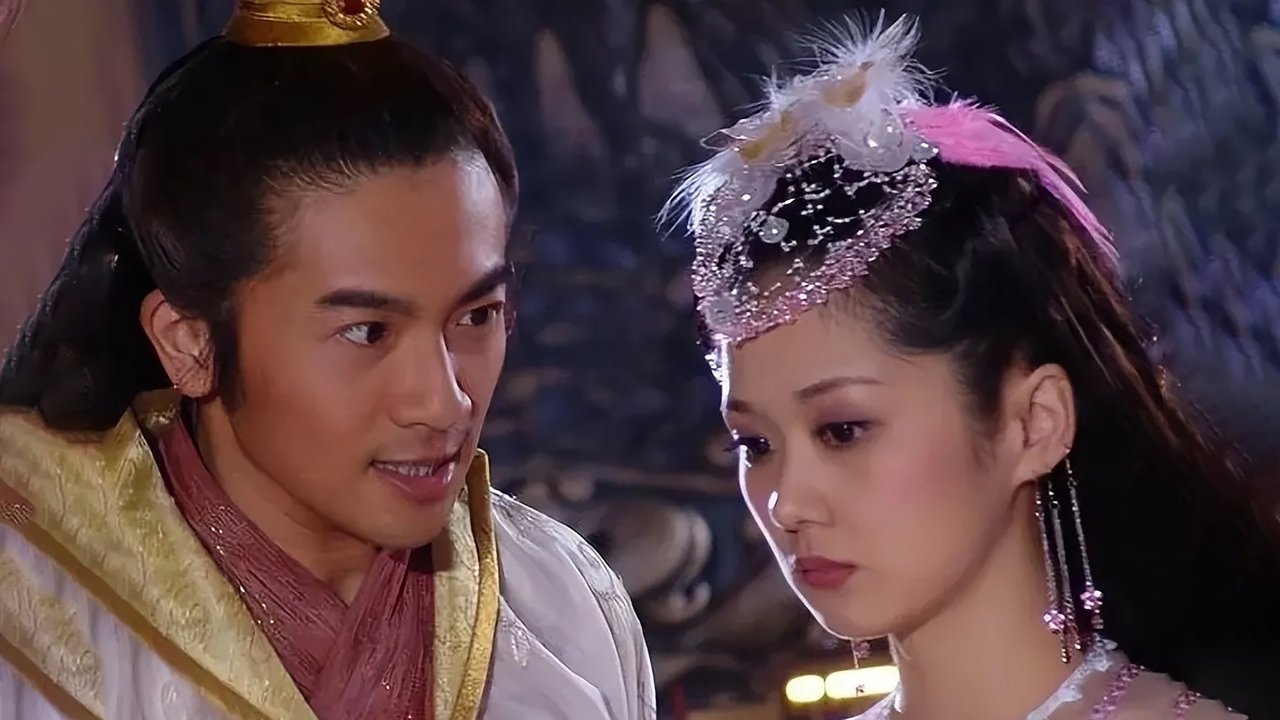 332005 · ★ 5.2
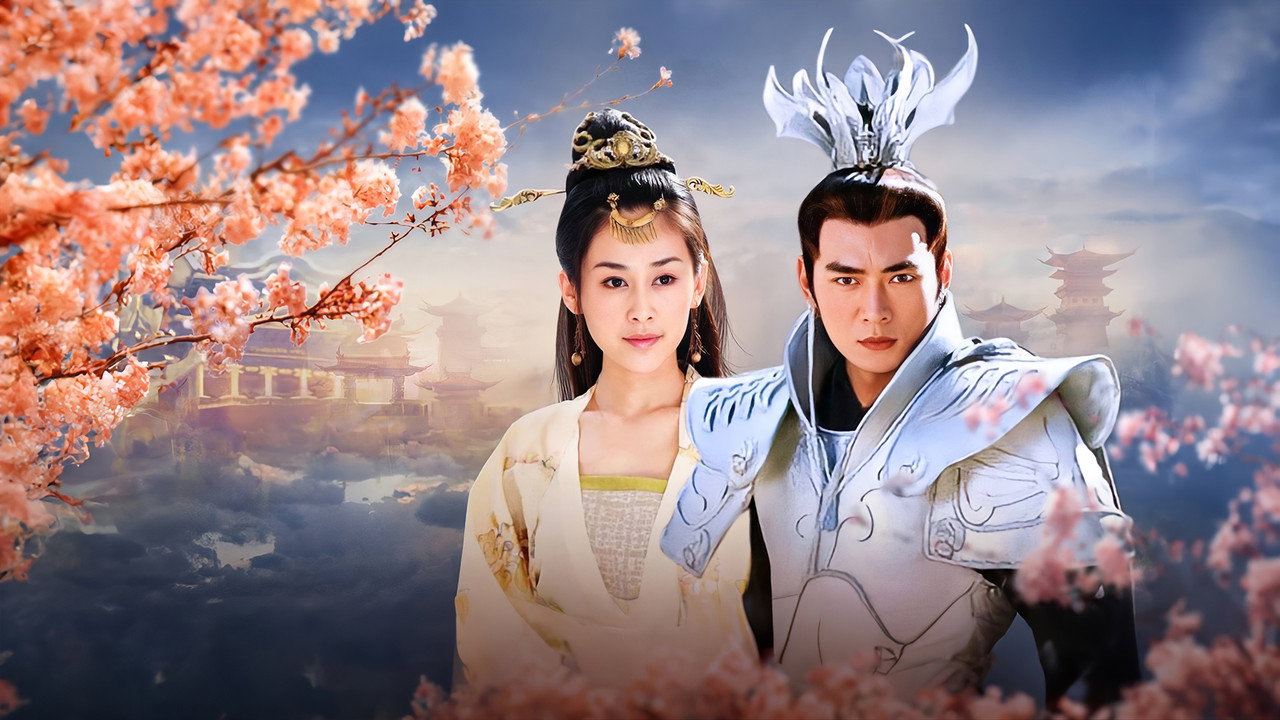 462009 · ★ 8.2
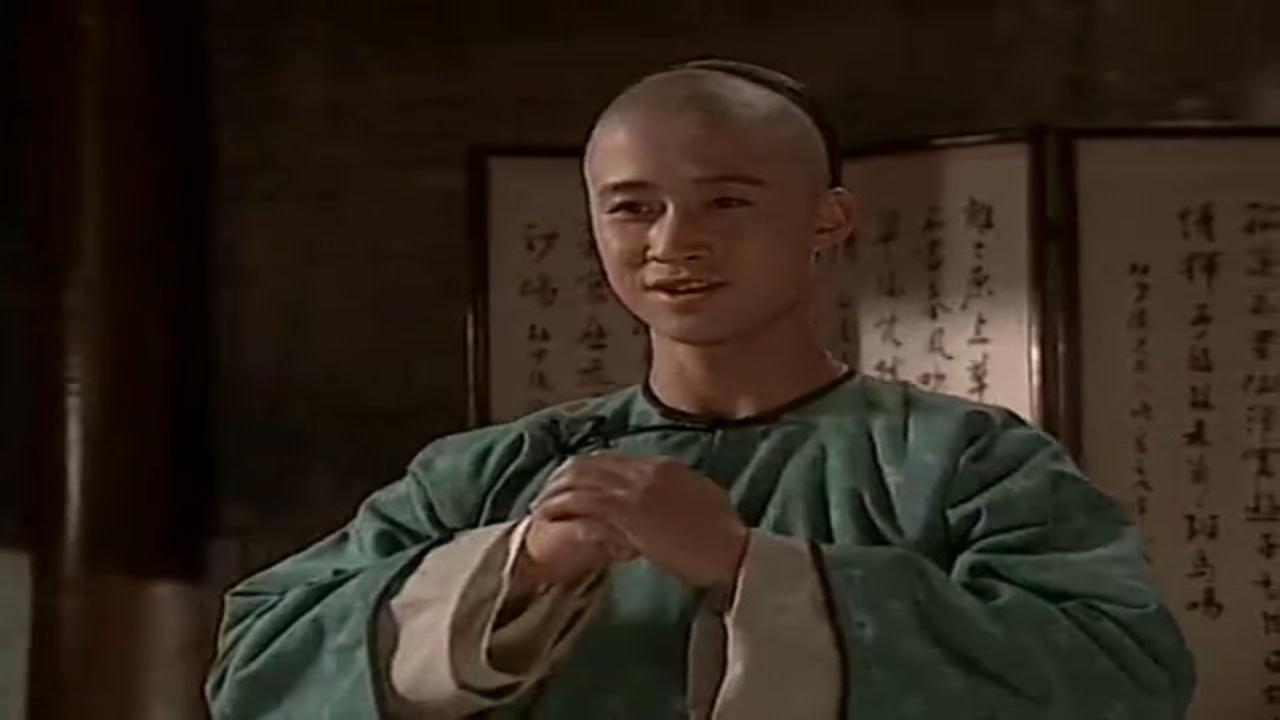 281998 · ★ 7.5
 302007 · ★ 7.0
More lists
From novels 29Short series 23Long series 362010 to 2019 402020 onwards 89Top rated 35
The DoramasYT guide to Chinese drama
DoramasYT: Chinese dramas, with Journey to the West, Dream in Red Mansions, Three Kingdoms, The Imperial Age, Legend of Lu Zhen, Golden Marriage, The Imperial Doctress and Song of Life
Chinese television drama is a world of its own, and a very large one. It can take a novel of the sixteenth century and film it so well that the country stops to watch, or follow one married couple through fifty years at the rate of a year an episode. It can fill ninety hours with the wars of three rival kingdoms, or tell in a dozen episodes the story of a young woman learning a difficult and tender trade. Viewers in the Spanish-speaking world have a word for the Asian series they love, doramas, and this guide borrows it. DoramasYT is a guide to 152 Chinese-language series made between 1986 and 2026 in mainland China, Taiwan and Singapore. It sorts them into four kinds of drama, and gives each a page with its cast, its episodes and a Watch now button that leads to the official services carrying it.
The 152 series have 8,020 episodes between them. Forty-one are wuxia and fantasy adventures, forty-eight are palace and period dramas, forty-three are family sagas and twenty are stories of modern life. Twenty-three were made before 2010 and are gathered as the classics. This guide takes the four kinds in turn, then the classics, the great novels, the dynasties, the short and long series and the leading actors, and it closes with the search, My List and a plan for a first fortnight.
What DoramasYT is
DoramasYT is a viewing guide. Each of its 152 pages describes one series: its story, the year in which it was made, its leading actors, its director and the order of its seasons and episodes with their dates. At the top of each page is a Watch now button with a country selector beside it. Choose the country you are in, press the button, and JustWatch opens with the services that carry the series there, whether by subscription, rental, purchase or free with advertising. The how to watch page sets out the three steps in brief.
The selection was made by hand, one summary at a time, with a mixed household in mind. It favours adventure, romance in costume, family stories and the gentler dramas of working life, the kinds of series that several generations can follow together. Crime thrillers and the darker melodramas were set aside, which is why the catalogue leans towards myth, history and the home.
The guide is written in English for viewers anywhere. The series are in Mandarin, with a few in Cantonese and Hokkien, and are widely available with subtitles in English and Spanish; each title page gives the original title in Chinese characters beside the English one, which is the surest way to find a series on any service.
How the pages are arranged
The site is nearly black, with white type in Poppins and three accent colours: orange for links, magenta for the outline of the My List pill, and cyan for the search field when it is in use. A dark bar stays at the top of the window with the logo at the left, the menu in the centre and the search and My List at the right.
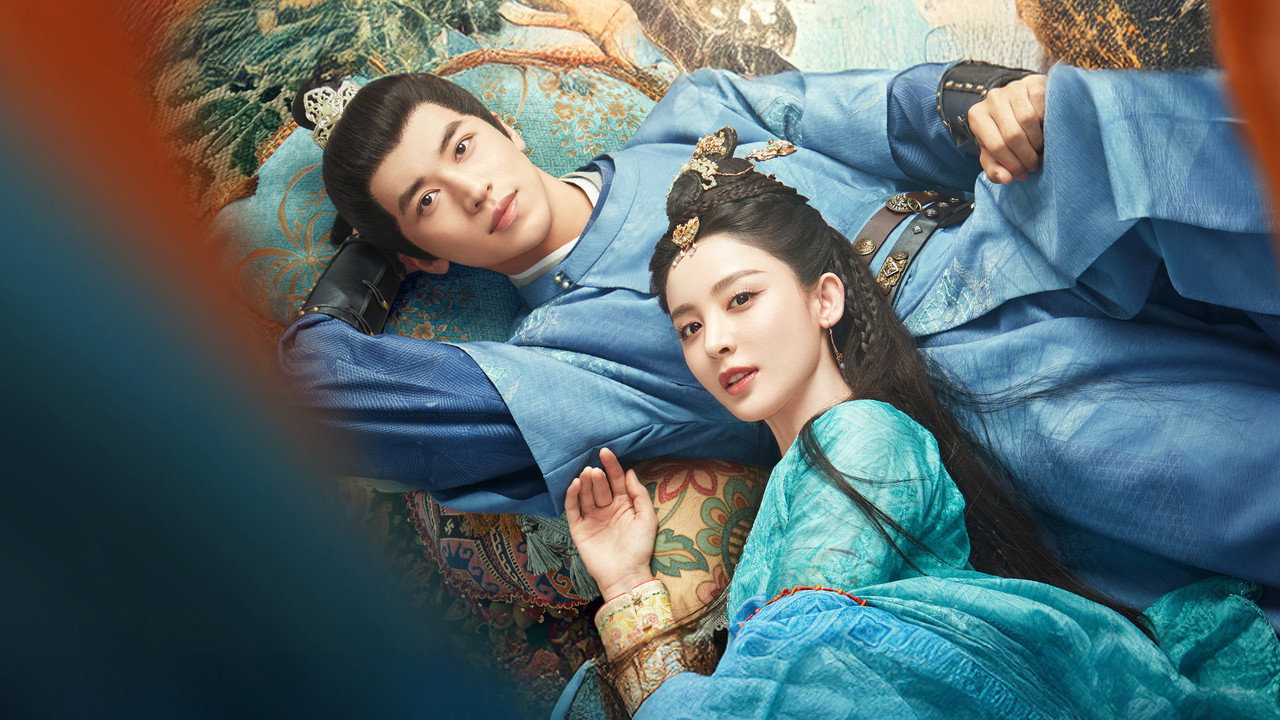
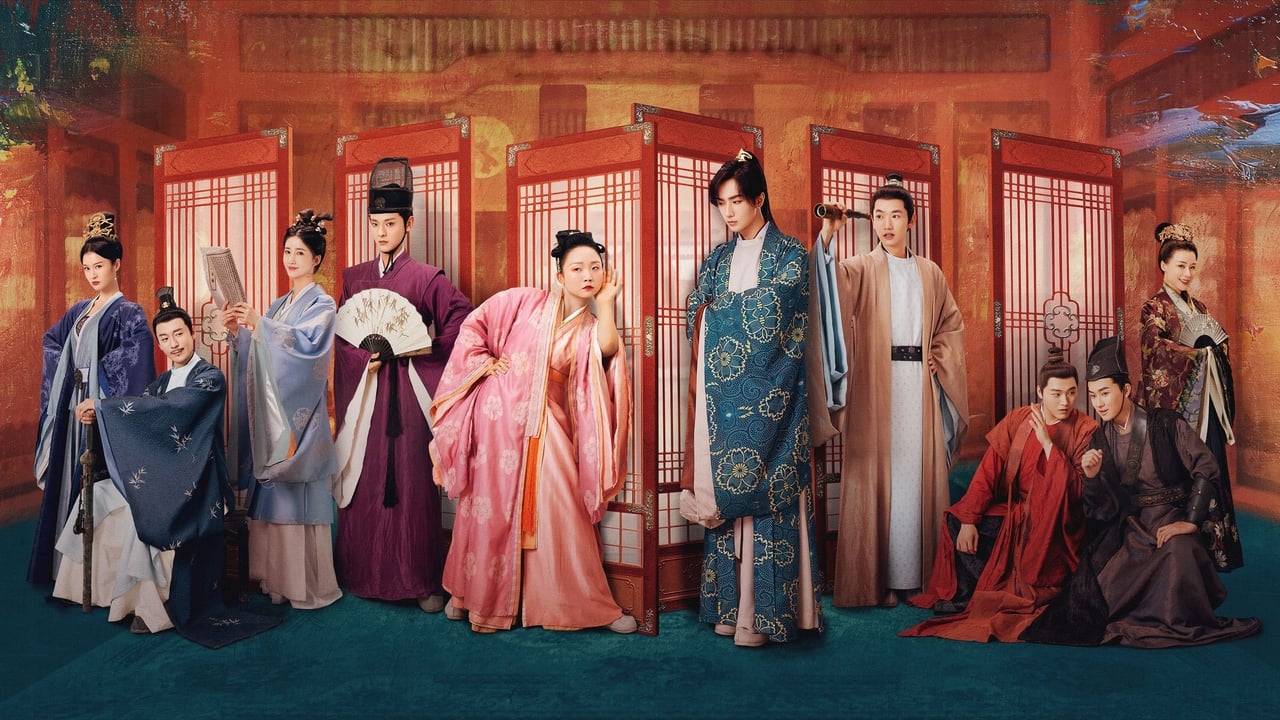
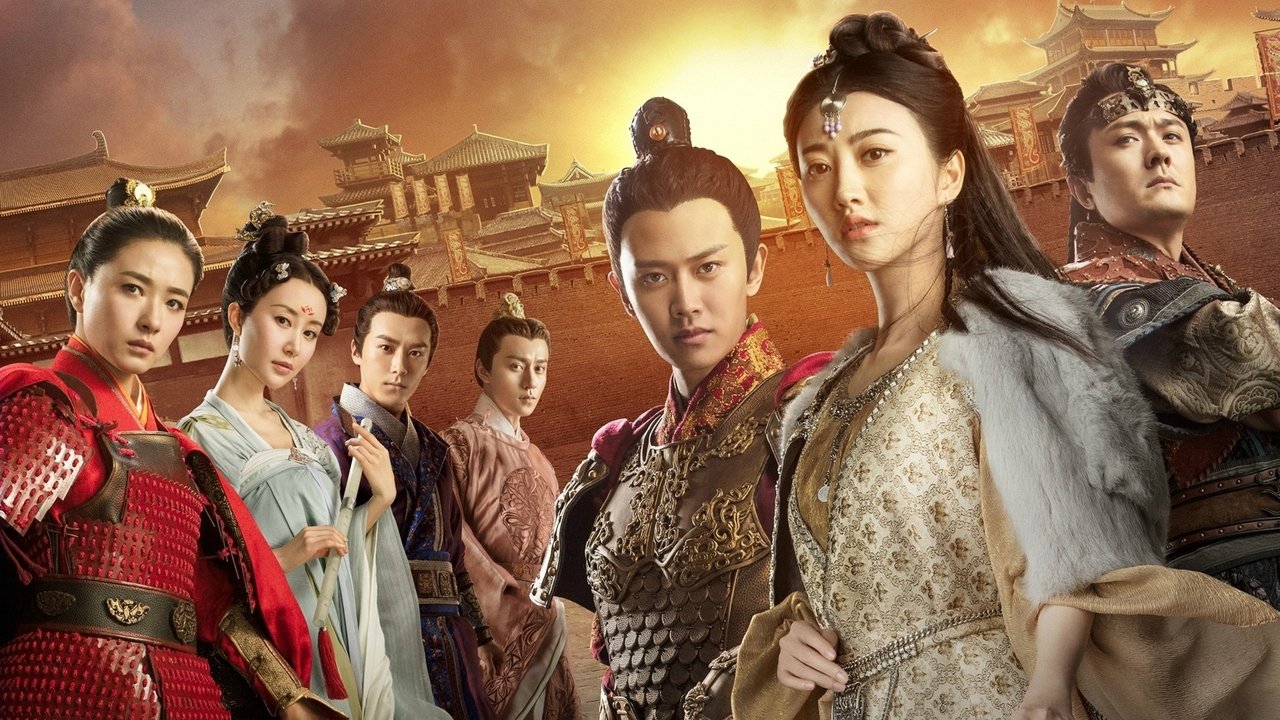
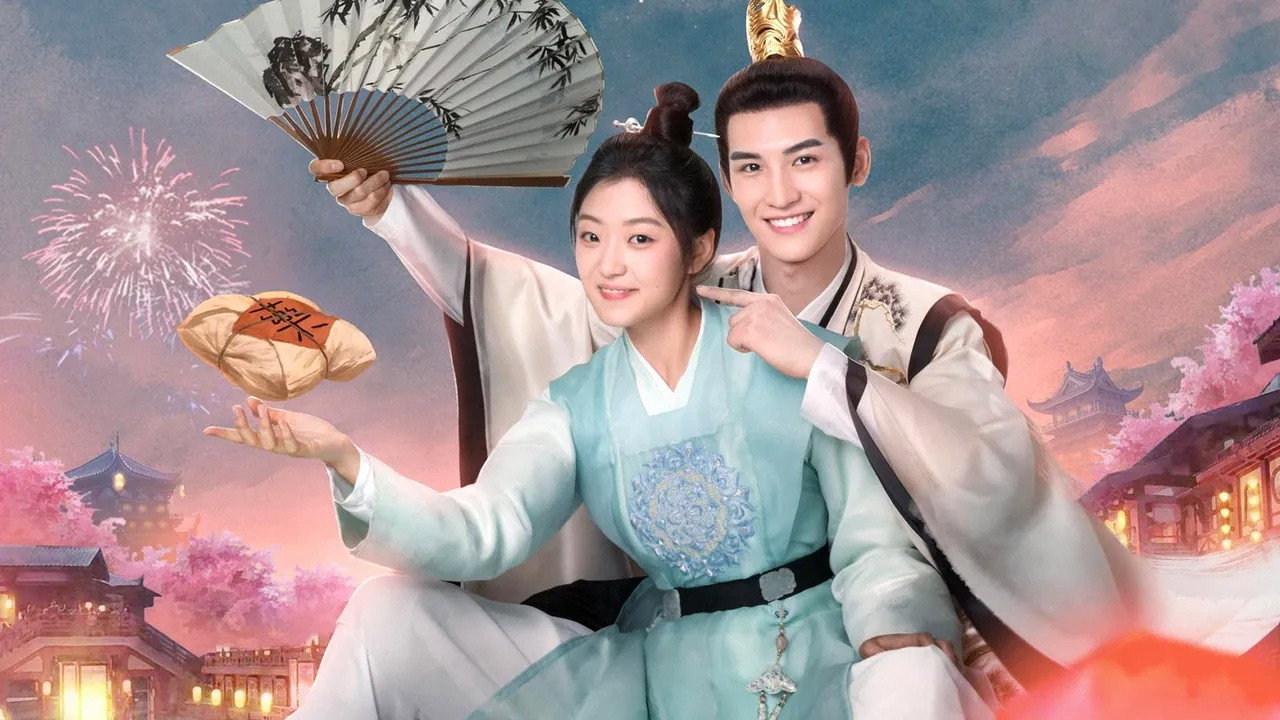
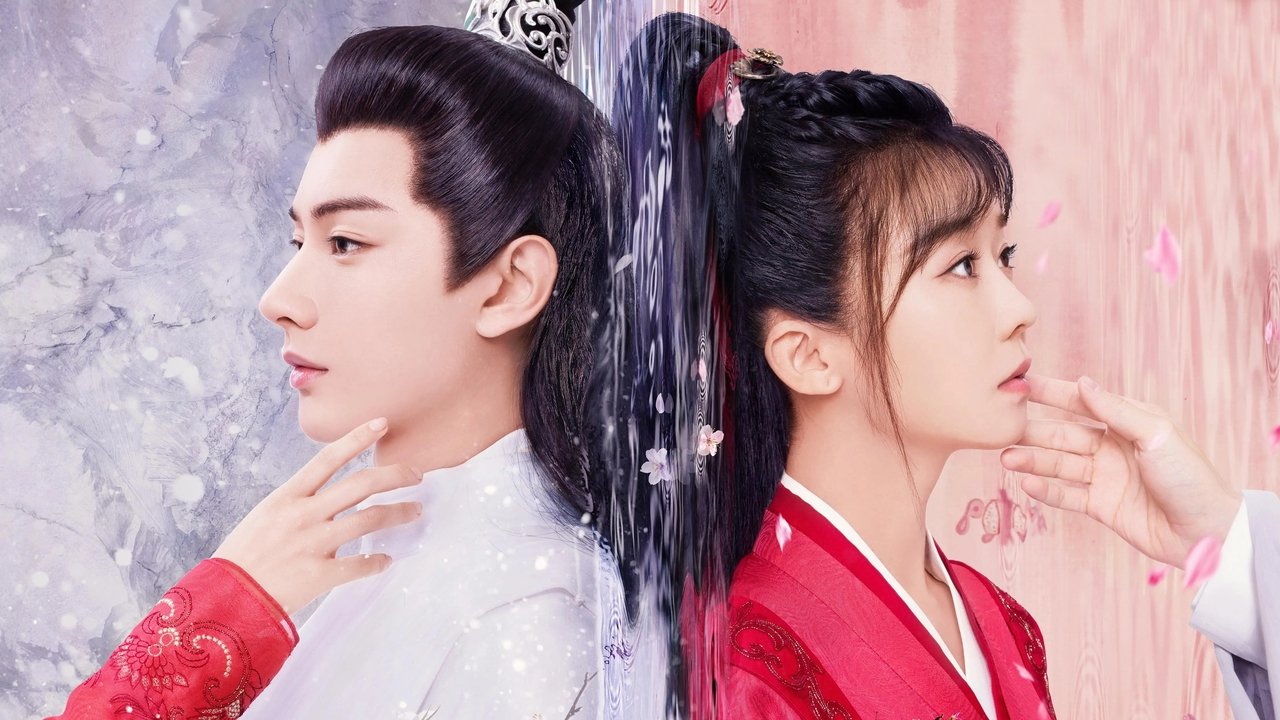
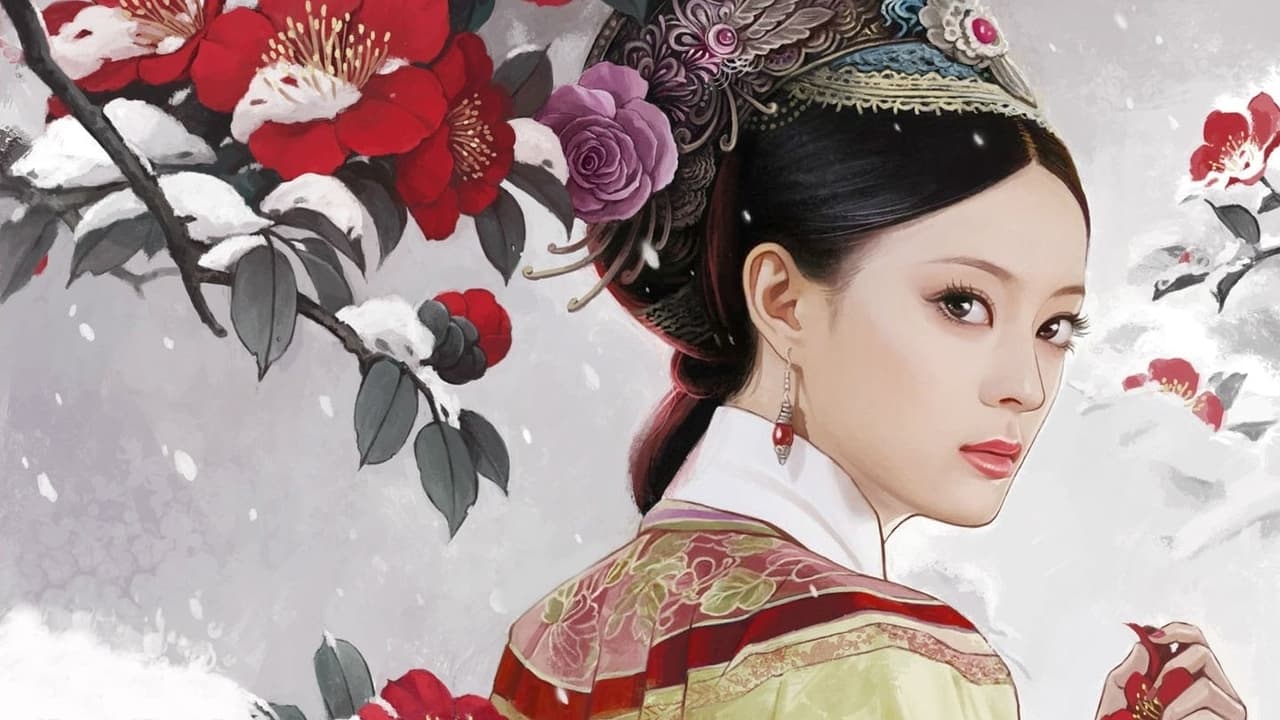
The home page is a single column of rows under large headings in capitals. Each row holds wide stills, four across, and each still has two marks: a large white number in its top right corner, which is the number of episodes, and a dark fade along the bottom with the year and the score. The title sits beneath. The first row shows the most followed series in the whole catalogue; then come wuxia and fantasy, palace and period drama, family sagas, modern life and the classics, and at the foot a row of pills for the remaining lists. On a telephone the stills stand two across and the three-bar button opens the menu with a search field of its own.
Wuxia and fantasy
Forty-one series belong to wuxia and fantasy, and the wuxia guide sorts them. Wuxia means, roughly, martial chivalry: stories of wandering swordsmen and swordswomen who live by a code of honour outside the reach of the court. Its modern master was the Hong Kong novelist Louis Cha, who wrote as Jin Yong, and his fifteen novels have been filmed for television again and again. Five adaptations are here. The Return of the Condor Heroes, made in Taiwan in 1998 with Richie Jen and Jacklyn Wu, tells of the orphan Yang Guo and his teacher Xiaolongnü, whose love defies every rule of their world. The Heaven Sword and Dragon Saber, from 1994, follows the next generation, as a gentle young healer finds himself the leader of a persecuted brotherhood and the object of two very different women's affection. The Demi-Gods and Semi-Devils interweaves the fortunes of three sworn brothers, a prince, a beggar chief and a monk, and Sword Stained with Royal Blood and Ode to Gallantry are shorter adventures. The Jin Yong guide sets them in order.
Jin Yong's great rival Gu Long is represented by Flying Daggers, with Julian Cheung as the swordsman whose thrown knife is said always to find its mark, and the novelist Wen Ruian by The Four, about four young constables with unusual gifts. The Master of Tai Chi, with the young Wu Jing, shows the art that gives it its name with unusual care. The Young Warriors, with Hu Ge and Eddie Peng, and Mu Guiying Takes Command retell the legends of the Yang family, generals of the Song dynasty whose women were as formidable as their men.
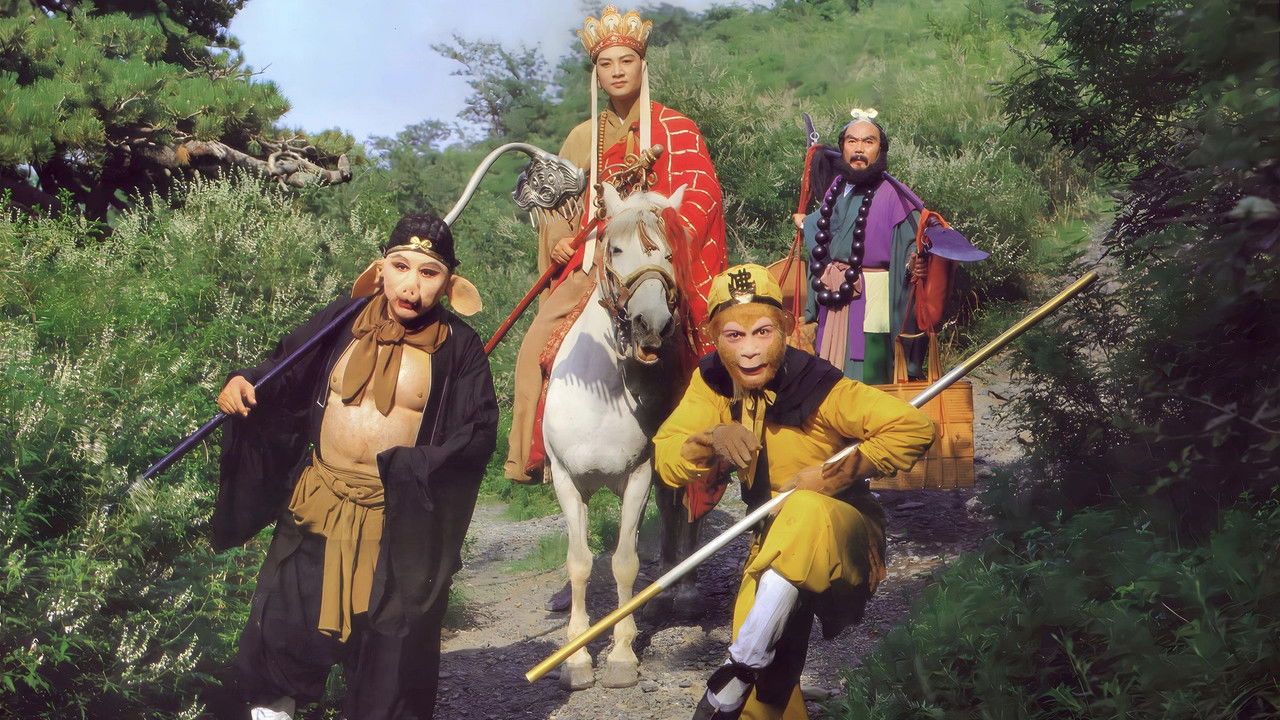
Behind wuxia stand the older tales of gods and spirits. Journey to the West, made by China Central Television and first shown in 1986, is the most watched series in Chinese history and the most followed title on DoramasYT. It follows the Monkey King, born from a stone, who storms heaven, is imprisoned under a mountain for five hundred years, and is released to guard a monk on his pilgrimage to India in the company of a greedy pig spirit and a patient river ogre. The actor Zhang Jinlai, known as Liu Xiao Ling Tong, came from a family that had played the monkey on stage for four generations, and his performance remains unequalled. The series took six years to make with one camera, and children still watch it every summer holiday.
The Investiture Of The Gods, from 1990, dramatises another Ming novel, in which the fall of the ancient Shang dynasty becomes a war among immortals. The Prelude of Lotus Lantern tells the youth of the three-eyed god Yang Jian, Legend of the Eight Immortals the origins of eight favourite figures of folk religion, and The Fairies of Liaozhai and Eternity: A Chinese Ghost Story draw on Pu Songling's tales of scholars and fox spirits. The Legend of Qin and God of War Zhao Yun give the same fantastic treatment to figures from history.
The newest branch is xianxia, fantasy about those who train to become immortal, usually adapted from online novels or from computer games. Sword and Fairy 1 retells the best-loved Chinese role-playing game of the 1990s, in which a boy from an inn meets a girl descended from a goddess, and Sword and Fairy, with Xu Kai and Yu Shuxin, adapts a later game in the same series. Fox Spirit Matchmaker: Red-Moon Pact, with Yang Mi and Gong Jun, is set in a world where fox spirits help reincarnated lovers to find each other again. The Journey of Chongzi is a romance between a girl with an unlucky destiny and the immortal who teaches her, and Divine Destiny, Twelve Legends, The King of Blaze, The Great Ruler, The World of Fantasy, The Snow Moon and Tiger and Crane range from the solemn to the playful.
Comedy has found its way into the genre through stories of modern people who wake up in the past or inside a story. In Unique Lady a young woman finds herself the heroine of a costume video game, obliged to find true love before she can leave. The Resilient Dr. Ling sends a present-day doctor to an ancient court, Rule the World a novelist to the last years of the Ming, Shuttle Love Millennium a rich idler from 2016 into the body of a chef in 1936, and Catch Up My Prince a medical intern into a game with four princes. Ms. Cupid in Love, My Dear Brothers, Be Yourself, Love Forever Young, Fox in the Screen and Cry Me A River of Stars are light fantasies of twenty-odd episodes, easy to finish in a fortnight.
Palace and period drama
Forty-eight series are palace and period dramas, the largest group, and the palace guide arranges them. The most rewarding are the stories of women who made careers in a world that allowed them few. The Imperial Doctress is based on Tan Yunxian, one of the handful of women physicians recorded in Chinese history, who practised in the Ming dynasty of the fifteenth century. Liu Shishi plays her from a curious girl learning from her grandmother to a doctor trusted by two emperors, with Wallace Huo and Huang Xuan as the brothers who reign in turn. The medicine is treated seriously, the costumes are among the finest ever made for Chinese television, and the series holds one of the higher scores in the catalogue.
Legend of Lu Zhen made a star of Zhao Liying. Her heroine enters the palace of the Northern Qi as a maid to escape a stepmother, rises through her skill with porcelain and accounts, and ends as the first woman to hold the rank of minister. Ban Shu Legend, by the same producer, follows a young woman who becomes a teacher in the palace school of the Han. The Sword and the Brocade, with Wallace Chung and Tan Songyun, is about a daughter of a concubine who hopes that her embroidery will win her independence, and finds herself married to a general instead. Marvelous Woman and Ni Chang are set among the silk merchants of Suzhou, Weaving a Tale of Love in the wardrobe office of the Tang palace, and Chef Hua in a kitchen.
Empresses have their own shelf. Palace of Devotion tells the true and remarkable story of Liu E, a street performer who became empress of the Song and governed as regent, with Liu Tao and Vic Chou. Queen Dugu is about the wife of the founder of the Sui, who insisted on being his only consort and his partner in government. Lady Wu: The First Empress covers Wu Zetian, the one woman to rule China in her own name, and The Glory of Tang Dynasty, in ninety-two episodes with Jing Tian, the consort Shen Zhenzhu during the great rebellion of the eighth century. Empresses in the Palace is a special case: six feature-length episodes cut for international viewers from the seventy-six of a famous series of 2011, with Sun Li as a young woman who enters the household of a Qing emperor and learns to survive its rivalries. It is the most concentrated palace drama available and a good test of whether the genre appeals.
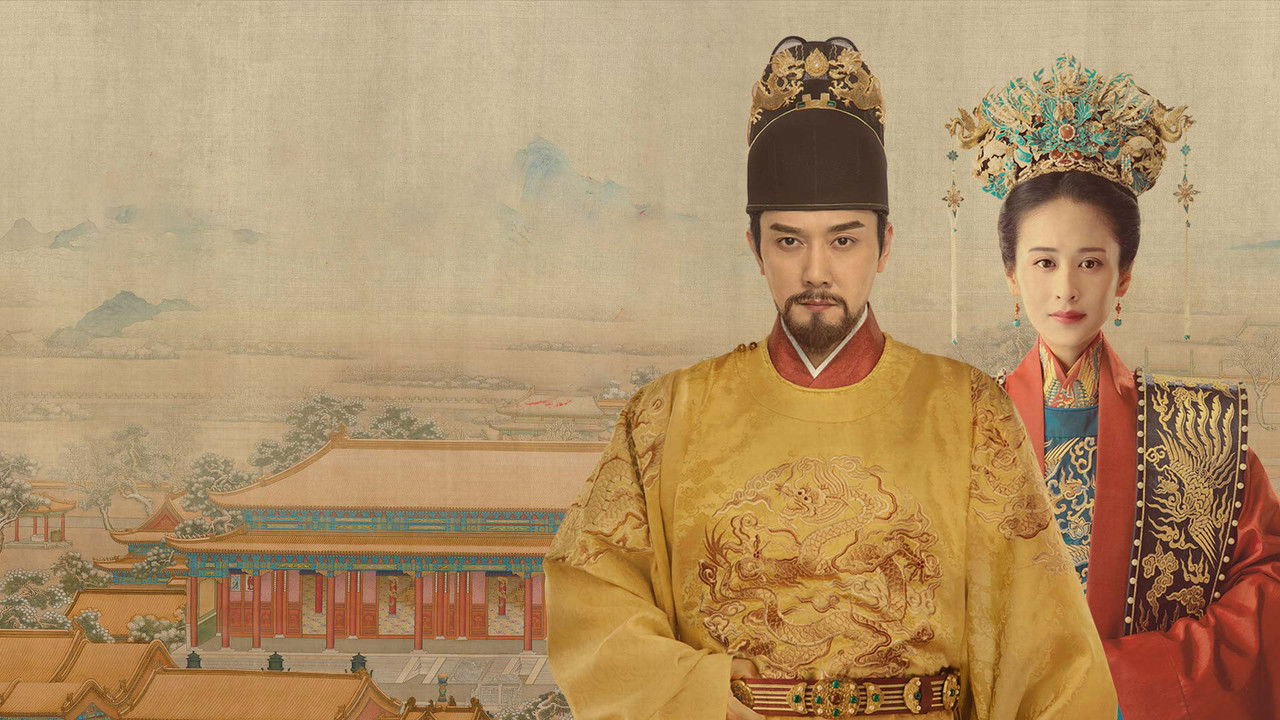
Emperors themselves are the subject of two serious chronicles. The Imperial Age follows Zhu Di, fourth son of the founder of the Ming, from a young prince on the northern frontier to the Yongle Emperor who moved the capital to Beijing and sent fleets across the Indian Ocean; William Feng plays him, with the veteran Chen Baoguo as his formidable father. Serenade of Peaceful Joy spends seventy unhurried episodes with Emperor Renzong of the Song, played by Wang Kai, a conscientious ruler torn between duty and his love for his daughter; its recreation of Song dress, food, poetry and manners has been widely admired. The Legend of Kaifeng belongs to the same reign and to its incorruptible judge, Bao Zheng, and White Cat Legend, from a popular comic, sets a team of eccentric investigators loose in the Tang capital.
China's most famous heroine appears twice. Hua Mulan, made in Taiwan in 1999 with Anita Yuen and Vincent Zhao, plays the girl who takes her father's place in the army as a comedy of disguises, and Legend of Hua Mulan, of 2013, tells the same story at greater length and in earnest. Love Yunge from the Desert, from a novel by Tong Hua, is a romance of the Han court, and Love in the Desert, Les Belles, Everlasting Longing, The Legend of Rosy Clouds and The Inextricable Destiny are recent costume romances in invented kingdoms, each with a capable heroine and a wary hero who slowly learn to trust each other.
Many viewers come to costume drama for its lighter side, and there is plenty. In Wrong Carriage Right Groom, two brides in Tang-dynasty Yangzhou are caught in a rainstorm on their wedding day and leave the shelter in each other's sedan chairs, the gentle one bound for a general's camp and the bold one for a merchant's mansion. Dr. Cutie has a physician's daughter at court in disguise, The Sleepless Princess a princess who is unable to sleep and the stern officer whose company is the only cure, and Mengfei Comes Across a mischievous consort, played for laughs by Jin Chen opposite Jiro Wang. The Legendary Life of Queen Lau, May All Your Wishes Come True, A Girl Like Me, Fake Princess, Oh My Lord, The Lady in Butcher’s House, The Mischievous Princess, The Legend of Jinyan, The Wolf Princess, Blooming Days, Be My Cat, The Sweet Girl, Believe in Love and Time Flies and You Are Here are in the same cheerful vein.
The period shelf ends in the early twentieth century, the years of the Republic, with their trains, uniforms and long qipao dresses. Too Late To Say I Love You, with Wallace Chung and Li Xiaoran, is the model of the Republican romance: a merchant's daughter shelters a young commander on a train and is drawn into his dangerous life. Fall In Love, set in 1926, Destined to Love You, in which Joe Chen bluffs her way into a post at a military academy, and Legend of Fragrance, about two rival houses of perfumers, belong beside it. Dream in Red Mansions, the greatest period drama of all, is described among the classics below.
Family sagas
Forty-three series are family sagas, and the family guide introduces them. Golden Marriage is the masterpiece of the form. It begins in Beijing in 1956 with the wedding of Tong Zhi, a factory technician, and Wen Li, a primary school teacher, and gives one episode to each year of their marriage until the golden anniversary in 2005. Zhang Guoli and Jiang Wenli age fifty years in the roles, quarrelling over money, in-laws, children and each other's habits while the country changes around their courtyard. It is funny, exact and finally very moving, and its score on DoramasYT is among the highest.
Other sagas follow families through a century of change. Qiao's Grand Courtyard tells the life of Qiao Zhiyong, a merchant of Shanxi who built a banking house that reached across the Qing empire; Chen Jianbin plays him, and the mansion where it was filmed has become one of the most visited houses in China. Moment in Peking, from the novel Lin Yutang wrote in English in 1939, follows three Beijing families from 1900 to the 1930s, with Zhao Wei as the daughter whose arranged marriage becomes a real one. The Little Nyonya, the most successful series ever made in Singapore, is set among the Peranakan families of Malacca from the 1930s on, a culture of beaded slippers, elaborate cooking and strict hierarchies seen through the eyes of a gentle young cook. Memories of Peking is set in 1947, The Legendary Tavern among settlers in the north-east, and Fortress Besieged in the 1930s of Qian Zhongshu's comic novel.
A newer group remembers the decades of reform through a street or a workplace. Dear Mayang Street follows six families in one lane of Guangzhou in the 1980s, with Tan Songyun as the schoolgirl at its centre. Love is Full of Jiudaowan stays with a group of friends from a Beijing alley across forty years. A Long Way Home is set in a forestry bureau in the far north-east at the end of the 1990s, when the felling stopped and the workers had to find new lives, and Our Dazzling Days in an industrial city of the same decade. Family on the Go charts the rise of a family of pedlars from Wenzhou into manufacturers. Wonderful Times, Such a Good Love and Forever Young look back with affection, and two comedies travel there directly: in Back to 1995 a discouraged man of middle age meets himself at twenty-two, and in Dream of Golden Years an executive wakes as a village girl of eighteen and decides to do it all again, better.
The dramas of present-day family life are often the most surprising. Song of Life is thirteen episodes about Zhao Sanyue, a young woman who quarrels with her mother and takes the only job she can find, as an apprentice to an old master who prepares the dead for their funerals. Each episode is one family's farewell, and the series is about dignity, craft and the making of peace; it is one of the best-loved recent titles in the catalogue. In Later Years looks at women in their fifties with rare honesty, Simple Days at a young couple in Shanghai and both sets of parents, As Husband As Wife at a marriage of ten years when one partner loses a job, and Just in Time at a woman of forty-five with a late baby on the way. Rock it, Mom has Yao Chen as a rock singer who returns from abroad to a teenage daughter she hardly knows, and Mama Go! gives a mother her twenty-year-old self back for a season.
Zhang Jiayi, one of the most trusted actors on Chinese television, appears in four: Love Is Beautiful, as a talk-show host whose stepdaughter meets her birth father; My Physical Education Teacher, as a widowed sports teacher whose young bride finds herself stepmother to two children; A Servant of Two Masters, as a chauffeur with a difficult employer and a rebellious daughter; and Angel Heart, a hospital drama from a novel by Liu Liu. We Love You, Mr. Jin, Hilarious Family, Sisterhood, With Love With You, Me and My Family, Love is True, Hope All Is Well With Us, Beautiful Secret and Marriage Cuisine explore parents, in-laws and siblings, and Over The Sea I Come to You follows three families who accompany their teenage children to schools in America. With You is an anthology of true stories from the first weeks of 2020, The Theatre Stories a costume comedy played by a famous troupe of comic storytellers, and House of 72 Tenants a Cantonese neighbourhood comedy that has run for more than two thousand episodes.
Modern life
Twenty series are stories of modern life, and the modern guide divides them. The workplace drama began with A Story of Lala's Promotion, from a bestselling novel about a secretary in a foreign company in Shanghai who learns the unwritten rules of office life; Wang Luodan plays her with spirit. Fighting Youth is set in a cosmetics company, Win The Future in a bank, The Coolest World in a magazine and In Spite of the Strong Wind in public relations. My True Friend, with Angelababy, Deng Lun and Zhu Yilong, follows three young estate agents and the buyers and sellers they come to know, and My Bargain Queen a negotiator who buys on behalf of others. Home About Us takes place in a matchmaking agency, where a manager who trusts data and a matchmaker who trusts feeling must share an office.
Several series pair two professions. In The Centimeter of Love, Tong Liya is a doctor and Tong Dawei an airline pilot; in The Furthest Distance, an emergency physician and an interior designer meet through a television programme about renovating a house; in New Horizon, a flight attendant trains to be a pilot. Friendship among women is the subject of Brilliant Girls, Be Together, Viva Femina and Incomparable Beauty, and Ten Years Late, Love in Shanghai and Zhao Jiadi are stories of young people finding their feet in a big city. Mountains and Ocean is set at a university where a family has guarded ancient scrolls for generations. The shortest title in the catalogue is here too: Escape from the British Museum, three brief episodes made by two young video makers, in which a small jade teapot takes human form and sets out for home.
The classics
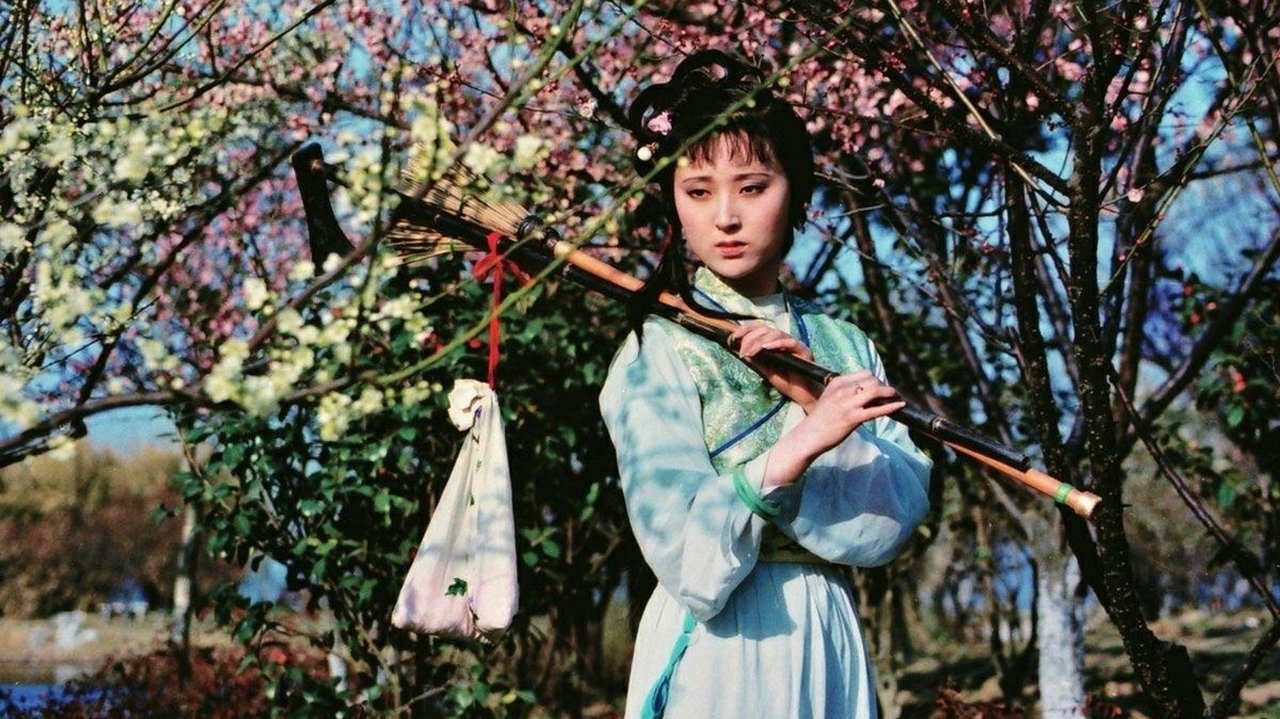
Twenty-three series were made between 1986 and 2009, and the classics guide lists them. Two stand above all others. Journey to the West has been described. Dream in Red Mansions, first shown in 1987, adapts the eighteenth-century novel that many readers consider the summit of Chinese literature: the story of the Jia family, of the sensitive heir Baoyu, his cousin Lin Daiyu and the many young women of the great garden, and of the slow decline of a noble house. The production spent three years training its young, unknown cast in the manners, music and poetry of the period before filming began. Chen Xiaoxu's Daiyu is regarded as definitive, the songs by Wang Liping are known to everyone, and the thirty-six episodes share the highest score in the catalogue.
Fortress Besieged, from 1990, is a classic of a different kind, ten episodes from Qian Zhongshu's satirical novel of the 1930s about a young man who returns from Europe with a purchased degree and drifts into a teaching post and a marriage. Chen Daoming plays him with a wonderful mixture of vanity and helplessness. The Investiture Of The Gods, the Taiwanese wuxia series of the 1990s, Hua Mulan, Legend of the Eight Immortals, The Master of Tai Chi and the charming Old House Has Joy, with Alec Su and Zhao Wei, represent the last years of the old century, and Lady Wu: The First Empress, Eternity: A Chinese Ghost Story, Flying Daggers, Moment in Peking, The Mischievous Princess, The Young Warriors, Qiao's Grand Courtyard, Golden Marriage, The Fairies of Liaozhai, Sword Stained with Royal Blood, The Little Nyonya and The Prelude of Lotus Lantern the first decade of the new one. These older series were shot on videotape or early digital cameras, and the picture is softer than viewers now expect; the writing and acting more than repay the adjustment.
The great novels on screen
Chinese tradition speaks of four great classical novels, and three of them are in the catalogue in their most admired television versions; the guide to the novels explains each. Journey to the West and Dream in Red Mansions belong to the 1980s. The third, Romance of the Three Kingdoms, is represented by Three Kingdoms, the ninety-five-episode production of 2010 directed by Gao Xixi. It covers a century of history, from the collapse of the Han dynasty to the reunification of the empire, through the rivalry of three states and of three leaders: the brilliant and ruthless Cao Cao, played by Chen Jianbin; the virtuous Liu Bei, played by Yu Hewei; and the cautious Sun Quan. Lu Yi is the strategist Zhuge Liang, whose stratagems are proverbial. The series contains battles on a very large scale, but its real interest is in councils, friendships and betrayals, and viewers who enjoy political drama will find it absorbing.
In all, twenty-nine series in the catalogue are taken from novels, old or new, and they have a list of their own. Beside the classics are the modern novels of Qian Zhongshu and Lin Yutang, the wuxia of Jin Yong and Gu Long, the palace romances of Tong Hua, and a growing number of stories first published chapter by chapter online, which now supply much of the costume and fantasy drama made each year.
A short map of the dynasties
Costume drama is easier to enjoy with a rough map of Chinese history in mind, and the dynasties guide provides one. The Han dynasty, which ruled for four centuries either side of the year one, is the setting of Love Yunge from the Desert and Ban Shu Legend; its collapse opens Three Kingdoms. After a long division the Sui reunited the country, as Queen Dugu relates, and gave way to the Tang, whose capital Chang'an was the largest city in the world: Lady Wu: The First Empress, The Glory of Tang Dynasty, Weaving a Tale of Love, White Cat Legend and Wrong Carriage Right Groom all belong to it.
The Song dynasty, from the tenth century to the thirteenth, was an age of scholars, painters and merchants, and it is the world of Serenade of Peaceful Joy, Palace of Devotion, The Legend of Kaifeng and the Yang family stories. The Ming, founded in 1368, supplies The Imperial Age, The Imperial Doctress and The Sword and the Brocade, and the Qing, the last dynasty, Empresses in the Palace, Qiao's Grand Courtyard and Marvelous Woman. The Republic that followed in 1912 is the setting of the romances with trains and uniforms. A great many recent series avoid the question altogether by inventing kingdoms of their own, which leaves the writers free and spares the viewer any homework.
Short series
Twenty-three series are complete in twenty-four episodes or fewer, and the short series guide picks the best. Chinese dramas were once paid for by the episode and ran long as a matter of course; streaming services have encouraged tighter stories, and many of the freshest recent titles are short. Song of Life has thirteen episodes, Rock it, Mom twelve, Mama Go! and Wrong Carriage Right Groom twenty-four and May All Your Wishes Come True twenty-two. The light fantasies and costume comedies described above mostly run to twenty-four episodes of about forty minutes, some sixteen hours in all, which is the length of a Korean miniseries. Empresses in the Palace and Fortress Besieged can each be finished in a weekend.
Long series
Thirty-six series have forty-five episodes or more, and the long series guide introduces them. The epics lead: Three Kingdoms with ninety-five, The Glory of Tang Dynasty with ninety-two, The King of Blaze with eighty-nine, Weaving a Tale of Love with eighty and Serenade of Peaceful Joy with seventy. The longest of the Jin Yong adaptations has sixty-four, and the family sagas commonly reach fifty. House of 72 Tenants is in a class by itself with 2,315 listed episodes, each a self-contained comedy. A long series is best treated as a companion for a season: two or three episodes a week, with the characters becoming old acquaintances.
Stars to follow
The same actors return in very different parts, and the stars guide names a few. Chen Jianbin is Cao Cao in Three Kingdoms and the banker of Qiao's Grand Courtyard. Liu Tao plays an empress in Palace of Devotion, a working mother in Love is True, a wife in Hope All Is Well With Us and an orphan who makes good in Star of Ocean. Joe Chen appears in Queen Dugu, Destined to Love You and New Horizon; Jing Tian in The Glory of Tang Dynasty, Ban Shu Legend and The King of Blaze; Angelababy in Love Yunge from the Desert, Everlasting Longing, Divine Destiny and My True Friend; and Gulnazar in Weaving a Tale of Love, Twelve Legends, Ten Years Late and Incomparable Beauty. Wallace Chung is the general of The Sword and the Brocade and the commander of Too Late To Say I Love You. Yin Tao leads As Husband As Wife, Brilliant Girls, Viva Femina and Fighting Youth, and Qin Hailu The Legendary Tavern and Just in Time. The search field accepts all of these names.
Choosing a first series
Newcomers sometimes hesitate before the length of Chinese dramas, and a few suggestions may help. The first is to start short. Song of Life, Rock it, Mom and Empresses in the Palace can each be finished within a week, and they show three very different sides of the tradition: the humane modern drama, the family comedy and the palace story. The second is to choose by taste in other things. Readers of fantasy novels usually take to Sword and Fairy 1 or Fox Spirit Matchmaker: Red-Moon Pact; admirers of historical fiction to The Imperial Age or Serenade of Peaceful Joy; lovers of family sagas to Golden Marriage or The Little Nyonya; and anyone who enjoys a comedy of manners to Fortress Besieged.
The third suggestion is to allow a long series three or four episodes before judging it. Chinese writers like to lay out a large cast and its relationships before the story gathers speed, and the opening episodes of a costume drama often take place years before the main action, with child actors in the leading parts. Patience is rewarded: by the tenth episode of Legend of Lu Zhen or The Imperial Doctress most viewers are counting the days to the next free evening. Those who prefer to know the end of a story before they begin may read the full summary on each title page, which describes the whole arc of the series in a paragraph.
A few words worth knowing
Some terms recur on the title pages and in this guide. Wuxia has been explained; the world its heroes move in is called the jianghu, literally the rivers and lakes, meaning the roads, inns, mountain strongholds and waterways beyond the reach of officials. The martial schools of that world are usually called sects in English, each with its own style, its master and its code. Xianxia adds immortals, spirit beasts and heavenly realms to the mixture, and its characters speak of cultivation, the long training by which a mortal hopes to rise. The Journey of Chongzi and Love Forever Young are set almost entirely among such schools.
In palace drama the same few titles appear again and again. The emperor's principal wife is the empress, and his mother, often the most powerful person at court, is the empress dowager; a regent rules on behalf of a child emperor, as Liu E does in Palace of Devotion. The inner court had its own ranks of women officials who managed dress, food, medicine and ceremony, and these are the offices in which the heroines of Legend of Lu Zhen, Ban Shu Legend and Weaving a Tale of Love make their way. Hanfu is the general name for traditional dress, whose cut and colours change with each dynasty, and the qipao is the close-fitting gown of the Republican years.
Names are given in Chinese order, family name first, so Liu Shishi is Miss Liu and Chen Jianbin is Mr Chen. Most titles have several English versions, since each service translates for itself; DoramasYT uses the most widely recognised one and lists the original beside it. Episode counts also vary, because series are sometimes re-cut for broadcast, and the number in the corner of each still is the count recorded for the edition most commonly shown.
Choosing for the family
Because the selection was made with a mixed household in mind, most of the catalogue can be shared, and the family viewing guide picks titles for different company. With children, Journey to the West is the obvious choice, a series made to be enjoyed at six and at sixty; Hua Mulan, Legend of the Eight Immortals and Be My Cat are good companions to it. With teenagers, the game adaptations Sword and Fairy 1 and Sword and Fairy, The Great Ruler and the three-part Escape from the British Museum are likely to please. With grandparents, Golden Marriage, Dream in Red Mansions, In Later Years and The Legendary Tavern offer characters of their own generation.
A few points are worth knowing beforehand. Wuxia stories are full of sword fights, staged more like dance than combat. Three Kingdoms and God of War Zhao Yun show battles. Palace dramas turn on rivalry and intrigue, and Empresses in the Palace is the sharpest of them. Song of Life deals with funerals, with great gentleness. Each title page carries a full summary, so a parent can read it in a minute and decide.
By period
After the twenty-three classics come forty series from the years 2010 to 2019, the decade in which Chinese drama found a worldwide audience online. Three Kingdoms, Legend of Lu Zhen, The Imperial Doctress, The Glory of Tang Dynasty, A Story of Lala's Promotion and My True Friend belong to it. Eighty-nine series, well over half the catalogue, date from 2020 or later, among them Serenade of Peaceful Joy, Palace of Devotion, The Imperial Age, Song of Life, White Cat Legend, Fox Spirit Matchmaker: Red-Moon Pact and Dream of Golden Years. The balance reflects how much is now being made: several hundred Chinese series are released every year, and a guide earns its keep by choosing among them.
The top rated
The Top rated list holds the thirty-five series that score at least 7.5 out of ten from four or more viewers. The classics head it, with Dream in Red Mansions, Golden Marriage, Journey to the West, Qiao's Grand Courtyard and Three Kingdoms. Palace drama contributes Legend of Lu Zhen, The Imperial Age, The Imperial Doctress, Empresses in the Palace and Les Belles; family drama Song of Life, In Later Years, The Legendary Tavern, A Long Way Home and As Husband As Wife; and fantasy The Prelude of Lotus Lantern and The Great Ruler. Scores for the less widely seen series rest on a small number of votes, so the list is best read as a set of recommendations and compared with the summaries.
Search and the A to Z
The search field sits in the top bar on every page. Type a few letters and results appear at once beneath it; the search looks at titles, original titles, actors and directors. The finding titles page summarises the methods. Typing "Mulan" brings both versions of her story, "sword" brings five series, and "Liu Tao" brings her five. A title may be entered in English, in pinyin or in Chinese characters, so "Xi You Ji" and "西游记" both lead to Journey to the West.
The A to Z page sets out all 152 series in a single alphabetical index. The All series page shows them most popular first, and each of the twelve lists has a page of its own with a line of description and a count.
My List
Long series are followed over weeks, and a shelf of your own keeps them in view. On a series page, the Add to My List button stands to the right of Watch now; press it and the series goes on your shelf. The pill-shaped button in the top bar opens the shelf, where each saved series appears as a still with a Remove button under it. The My List page explains each button. The shelf is remembered by the browser on your own device, so it is there when you come back, and the list page offers a copy as a small file for safe keeping or for another computer.
A sensible habit is to keep three series on the shelf at once: an epic for the long run, a light costume comedy for tired evenings, and a short modern drama to finish within the month.
How Watch now works
Every series page has a country selector with fifteen countries, among them the United States, Mexico, Spain, Argentina, Colombia, Chile, Peru, Singapore, Malaysia and Taiwan. Pick yours and press Watch now. JustWatch opens on the page for that series and shows the services that carry it there, grouped by subscription, rental, purchase and free viewing. The international platforms of the large Chinese streaming companies, the general services and the specialist Asian drama platforms all appear in those lists, and many classics are offered free with advertising by the broadcasters that made them. Availability differs from one country to the next, which is why the selector comes first.
A first fortnight
Here is a plan for fourteen evenings that samples all four kinds of drama. Begin with the first two episodes of Journey to the West, in which the monkey is born, learns magic and upsets heaven. On the second evening watch the opening of The Imperial Doctress, and on the third and fourth the first four episodes of Song of Life. The fifth belongs to Escape from the British Museum, which takes half an hour, and to the first part of Empresses in the Palace. On the sixth try Wrong Carriage Right Groom, and on the seventh the wedding year of Golden Marriage. In the second week, sample Three Kingdoms, Sword and Fairy 1, Dream in Red Mansions and A Story of Lala's Promotion, and give the remaining evenings to whichever has taken hold. By then you will know which kind of drama suits you, and DoramasYT will have more than a hundred and forty series still to offer.
Questions and answers
Questions
What is DoramasYT?
DoramasYT is a guide to 152 Chinese-language series, 1986 to 2026, sorted into wuxia and fantasy, palace and period drama, family sagas and modern life.
Which series should I watch first?
Start with Journey to the West for adventure, The Imperial Doctress for costume drama, Golden Marriage for family life or Song of Life for a short modern series.
Is the catalogue suitable for families?
Yes. Every summary was read by hand, and the selection favours myth, history, family stories and gentle workplace drama.
What is wuxia?
Wuxia means martial chivalry: stories of wandering swordsmen and swordswomen with a code of honour. Forty-one wuxia and fantasy series are listed.
Which classic novels are covered?
Journey to the West, Dream of the Red Chamber, Romance of the Three Kingdoms and Investiture of the Gods, each in a celebrated television version.
How many episodes are listed?
The 152 series have 8,020 episodes between them, and each series page lists them with titles and dates.
How does My List work?
Press Add to My List on a series page. Your browser remembers the shelf on your device, and the list page offers a file copy.
Does DoramasYT host series?
DoramasYT is a guide only. Every Watch now button opens JustWatch, which lists the official streaming, rental and purchase services for your country.
